Lanaco and Blueair Launch World-First NZ Wool Air Filter
New Zealand wool is reaching new heights as air filtration companies move away from synthetic products to biodegradable alternatives.
 increase font size

A WEBSITE with further information on the wool levy referendum has been launched.
The website will also include an interactive section so that farmers can share their views on the levy and provide feedback to the Wool Levy Group. The website can be found at www.votewool.co.nz.
"The website will be a portal for information and includes important details on how to vote, the activities the wool levy will support and frequently asked questions. Farmers can also use it to voice their opinions or ask questions," said Sandra Faulkner, chair of the Wool Levy Group.
"The re-introduction of the wool levy is the result of four years of work by a pan sector group to find ways to improve the future of wool.
"Establishing a levy to be used to represent the industry was recommended by independent review and now grower support is needed to make it happen.
"The levy will support and complement work being done by existing organisations and will, where required, contract services from existing suppliers," says Faulkner. "Use of the ley will be efficient and effective and will be non-commercial and therefore will not compete with existing commercial businesses."
Voting papers for the Wool Producers Referendum will be sent out to farmers in mid-September and voting will take place on 10 October 2014.
Farmers will be asked to vote on a levy of between 2 and 5 cents for each kilogram of greasy or slipe wool at the first point of sale which will be used to fund industry good activities. This equates to $4.6 million based on 3 cents per kilogram for the 154,000 tonne of wool.
A positive grower vote, both by number and weighted sheep numbers, is required for the Wool Levy Referendum to be presented to the Ministry for Primary Industries before the Minister can enact the necessary regulations under the Commodities Levies Act 1990.
New Zealand wool is reaching new heights as air filtration companies move away from synthetic products to biodegradable alternatives.
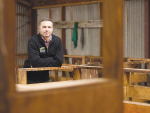
Will a stronger, more coordinated voice help rebuild confidence and improve returns in the wool sector?
Federated Farmers' new vice president Sandra Faulkner says the issue of adverse events emergency management and infrastructure needs to be taken out of the three-year political cycle.
Certainty and a clear understanding of the needs of rural communities is a critical outcome in the series of government reforms that are taking place at present.
OPINION: Confidence in the wool sector is rebounding as prices hit levels not seen in more than 15 years.
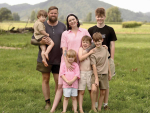
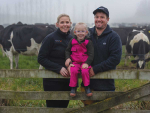
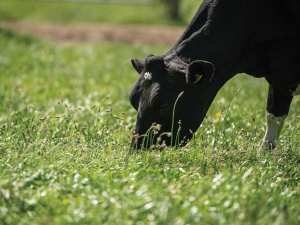
Farms across the upper North Island are trialling different pasture mixes as part of a research programme that aims to build greater resilience into farming systems.
Election years are always a concerning time for farmers, according to DairyNZ chair Tracy Brown.
The Ballance Farm Environment Awards are coming to the West Coast of the South Island.
Most dairy regions around the country have had a pretty good season so far says Tracy Brown.
Rural leader Mark Hooper has been appointed as an independent director to the NZPork board, bringing extensive farming, governance and advocacy experience to the role.