fbpx
Print this page
Monday, 29 March 2021 13:17

Water infrastructure to reduce emissions?

Written by  Staff Reporters
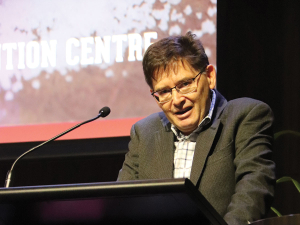
IrrigationNZ chief executive Vanessa Winning. IrrigationNZ chief executive Vanessa Winning.

IrrigationNZ says zero carbon targets can't be met without investment in water infrastructure.

The organisation has made it's submission to the Climate Change Commission after the release of February's draft report.

Chief executive Vanessa Winning says the organisation doesn't think zero carbon targets can be met without investment in water storage, capture and precision use.

“Water infrastructure needs to be better recognised as an enabler to achieving our emissions reduction targets,” Winning says.

“Access to reliable water is essential for farmers and growers to diversity their land away from ruminant agriculture to a more mixed-production approach.”

She says there is an opportunity to augment or back up green electricity supply locally by using local ‘bolt-on’ hydro electricity generation where water storage already exists.

“The cost of water and energy, and the ability to source energy closer to use (localised) are going to be key to enabling behavioural change and reducing resistance.”

Winning says IrrigationNZ’s submission also calls for a coordinated response across policy frameworks which lead to the same outcomes climate change policies will seek.

These include freshwater regulation, biodiversity enhancement, land use change, Resource Management Act reform, and infrastructure development.

“Similar to this point, we continue to emphasise the need for an overarching water strategy for New Zealand, so that we identify better strategic outcomes – as well as use policy to respond to problems,” Winning says.

More like this

From Advocacy to Action

For years, IrrigationNZ has called for a coordinated national approach to water security, backed by enabling regulation, strategic infrastructure investment and sound technical practice. As the 2026 general election approaches, many of these priorities are now reflected in political commitments and legislative reforms. That represents significant progress, but the real measure of success will be turning policy into practical outcomes, says IrrigationNZ principal technical officer Stephen McNally.

IrrigationNZ warns RMA reform may miss water needs

Irrigation NZ is warning that the government's Resource Management Act (RMA) reform risks falling short of its objectives unless water use for food production and water storage infrastructure are clearly recognised in the goals at the top of the new system.

New water policy direction

IrrigationNZ submitted a briefing last month to the new Government this week on how water capture, storage, and efficient use can grow economic prosperity, support New Zealand's exports, and ensure long term regional resilience. Here's part of what Vanessa Winning, chief executive of IrrigationNZ, said:

Featured

Students' Strobe Light Targets Nesting Birds in Tractors

During the nesting season, from September to December, industrious starlings can quickly build nests in the darker areas behind tractor and vehicle, usually close to hot engines, typically resulting in localised damage or in some cases complete write-offs.

NZ Tractor Deliveries Up 5% Year to Date to September

With the last couple of months having seen some potential tractor purchases put on hold with the impending election and continued input cost rises, year-to-date figures, ending September, has seen deliveries up around 5% over the same period in 2025, with a total of 2026 units.

MPI's Diana Reaich on Non-Tariff Barriers and Trade Access

The head of the Ministry for Primary Industries (MPI) trade and international relations group says New Zealand is well-positioned to secure trade access and compete internationally as the world becomes more complicated, demanding and uncertain.

National

Machinery & Products

Claas Balers Turn 30

Claas built its first variable chamber round baler - the Variant 100 - in 1996, so 2026 marks 30 years…