Ravensdown Elects Montgomery, Acland to Board
Ravensdown shareholders have elected Jane Montgomery and Kate Acland to the Ravensdown Board for three-year terms, following a closely contested director election.
 increase font size
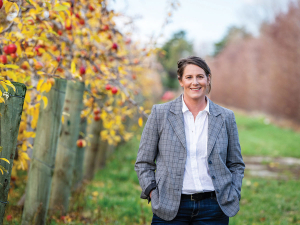
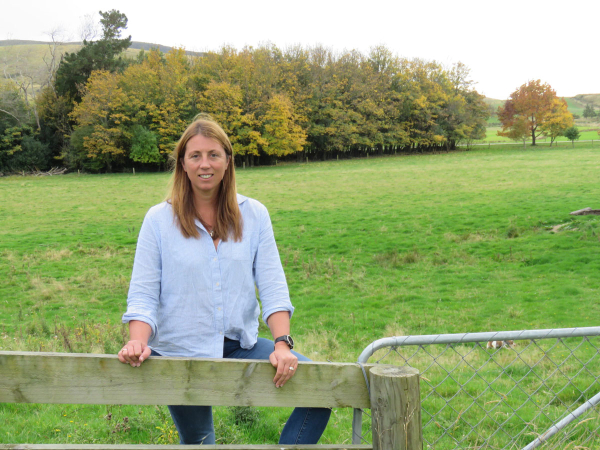 Beef + Lamb New Zealand chair Kate Acland
Red meat farmers and processors are welcoming a US Government announcement - removing its reciprocal tariffs on a range of food products, including New Zealand beef.
While Beef + Lamb NZ and Meat Industry Association (MIA) are seeking clarification from Washington, it appears that an additional 15% tariff imposed on NZ beef three months ago this year, is gone.
“We are still seeking clarification on the exact details of the decision. However, based on our initial analysis, it appears the US has removed the additional 15% tariff on our beef that was imposed under the bilateral tariffs applied across the board on the 1st August”, says Kate Acland, B+LNZ chair.
“This means that our beef will go back to facing a tariff of less than 1% under our WTO country specific tariff rate quota and will restore a level-playing field with our key competitors”.
Nathan Guy, Chair of the Meat Industry Association says the US is New Zealand’s largest beef market.
“This will be a boost for our exporters as it reduces the uncertainty they had been experiencing in the last few months.
“Since these additional tariffs were imposed, volumes of New Zealand’s beef and lamb to the US have decreased compared to last year, despite strong demand and firm prices. Since April, New Zealand beef imports into the US have incurred tariffs costs of over NZ$300million.
“Clearly the tariffs have been having an impact on US food inflation, so this is a sensible move to alleviate the pressure on US consumers.
“With US production at 70-year lows and consumption at record levels, the US needs our high-quality red meat.”
Acland added “New Zealand is a complementary trading partner, being an important source of lean beef that is mixed with US domestic grain-fed beef to produce burger patties. It is also becoming an important sheepmeat market for high value premium cuts.
“We hope the U.S. will also consider taking a similar approach to New Zealand lamb, which still continues to face an additional 15% tariff and has been experiencing similarly high prices.”
Ravensdown shareholders have elected Jane Montgomery and Kate Acland to the Ravensdown Board for three-year terms, following a closely contested director election.

Beef + Lamb New Zealand (B+LNZ) says it welcomes the passage of the Natural Environment Bill and Planning Bill, calling the bills a positive step for sheep and beef farmers.
Farmgate lamb prices are down by 8%, beef cattle by 4.5% and farm expenditure up by 4.2%.
Red meat farmers are welcoming Labour’s plan to review the Emissions Trading Scheme and not to campaign on pricing agricultural emissions.
New Zealand's Emissions Trading Scheme (NZ ETS) encourages afforestation while not achieving climate goals, says a new report released by the Parliamentary Commissioner for the Environment, Simon Upton.


National’s pledge to introduce 19 new national standards shows the party is serious about getting Wellington out of farming, Federated Farmers says.
The National Party’s policies to make it easier to grow fresh vegetables, secure reliable water and energy and simplify farm planning are practical changes that will give growers the confidence to invest, according to Horticulture New Zealand (HortNZ).
Fonterra Co-operative Group chief financial officer Andrew Murray has resigned to take up a role outside the dairy giant.
A major move is about to get underway to improve the quality and viability of dairy beef and cattle in NZ.
Veterinarians say changes to the code of welfare for dairy cattle provides a positive foundation for improved cattle welfare across the country.
Today, 15 October, is the International Day of Rural Women, which recognises rural women’s contribution to farming, communities and the environment.