McRae Wins Southern South Island B+LNZ Director Vote
Matt McRae, a farmer from Mokoreta in Southland who runs a sheep, beef and dairy support business alongside a sheep stud, has been elected to the Beef +Lamb NZ Board as a farmer director.
 increase font size
 James Parsons.
Beef + Lamb NZ is planning to step up its lobbying of industry groups in the US, UK and EU in the light of Brexit and Donald Trump’s election as US president.
BLNZ chairman James Parsons told Rural News he expects to visit the US and the northern hemisphere this year to help protect access for NZ beef and sheepmeat.
He says the issue of trade is now much higher, and risks and uncertainty are greater in these markets. Two BLNZ directors are now in those regions and others will visit later in the year.
“It’s to maintain good relationships with our counterpart farming groups in Europe and US and stay close to the NZ government to see how things might unfold.
“We are not looking to profit and don’t see Brexit as an opportunity. It’s more to ensure there is no disruption to trade in Europe and the UK.”
BLNZ doesn’t have an office in the US and Parsons says most trade policy issues are handled by Wellington staff who are experienced and know the US well. The objective is maximum results for NZ farmers without the expense of staff offshore.
Parsons says the lack of an FTA with Japan – which Australia has – is a problem.
“We are already seeing our exports into Japan decline by about 11% since Australia signed up their FTA.
“We’d hoped the TPP would level the playing field for our beef.”
Parsons says lower tariffs on beef exports to Japan would be great for NZ farmers.
Matt McRae, a farmer from Mokoreta in Southland who runs a sheep, beef and dairy support business alongside a sheep stud, has been elected to the Beef +Lamb NZ Board as a farmer director.
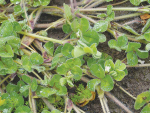
Recent widespread autumn rain will have triggered the germination of subterranean clover seeds, and the resulting seedlings should be allowed to reach the 3–4 trifoliate leaf stage before grazing, says Beef+Lamb NZ.
A hub farm in each of Beef + Lamb NZ’s seven regions and more focus groups are being rolled out for the red meat sector this year.
The red meat sector is poised for a strong rebound this season, with export receipts forecast to top $10 billion and farm profitability to almost double.
Progeny testing at Pāmu’s Kepler farm in Southland as part of Beef + Lamb New Zealand’s Informing New Zealand Beef programme is showing that the benefits of hybrid vigour could have a massive impact on the future of beef breeding.


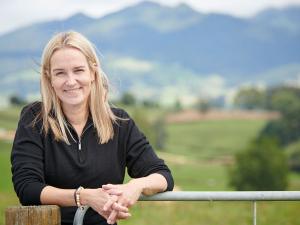
Minister of Conservation Hon Tama Potaka has appointed Susan O'Regan as Chair of the Queen Elizabeth II National Trust (QEII) for a three-year term.
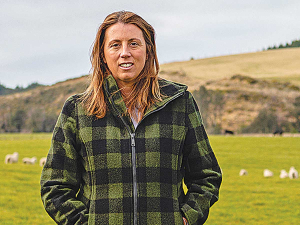
Red meat farmers are welcoming Labour’s plan to review the Emissions Trading Scheme and not to campaign on pricing agricultural emissions.
Where any worker in the kiwifruit industry is mistreated, we expect the authorities to take action.
Mid Canterbury Federated Farmers arable chair, Bevan Lill, said Beef + Lamb NZ data indicated that for the last six years, the average arable return on investment was about 0.8% while inflation ran about 4% - so the average arable farm was going backwards at about 3% a year.
Seed and grain companies share the concerns of arable farmers about the viability of their sector, says Seed and Grain New Zealand chief executive Dr Sarah Clark.
The New Zealand Institute of Forestry (NZIF) says unnecessary changes to New Zealand’s Emissions Trading Scheme (NZ ETS) will seriously erode investor confidence and result in significant reductions in forest planting rates.