
Seeking apology
The small east coast township of Wairoa is still waiting for an apology from the Hawke's Bay Regional Council (HBRC) following the devastating floods which hit the town in June and damaged hundreds of houses.
 increase font size
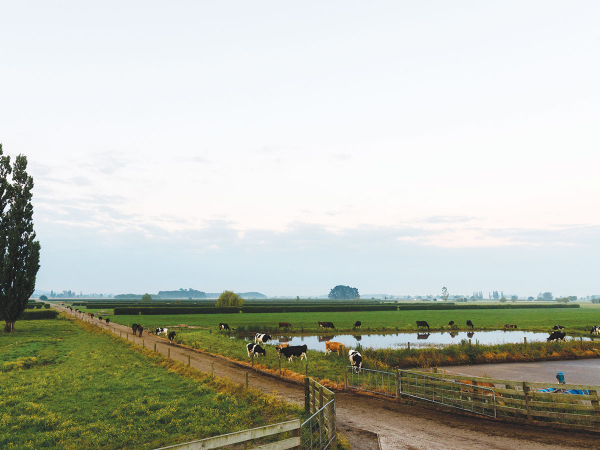 The recent storm in the Gisborne area have disproportionately impacted Māori farms.
The recent storm on the East Coast has disproportionally affected Māori farms in the region.
That's the view of Hayden Swann, who holds a range of governance roles on various Māori trusts and incorporations in Tairawhiti - including the famous Whangara farms, north of Gisborne. His day job is principal of Gisborne's Makaraka school, as well as being on the executive committee of the Federation of Māori Authorities (FOMA), whose role is to promote and foster sound management for Māori business.
Māori landholdings in Tairawhiti are huge and Swann points out that many of the farms are hill country blocks which are very steep and prone to erosion. He says the weather events of the past year have been pretty horrendous and impacted severely on Māori farms.
"This flood event has caused more significant damage, particularly to the steeper slopes on the lower class land," Swann told Rural News. "Some of the soils are on rock and soil tends to fall away, which is not unexpected."
He says some of the Māori trusts and incorporations, such as Whangara, operate large-scale farming operations and can cope better with events like the recent storm. But he points out that some Māori farms are small, undeveloped and at the best of times they struggle - let alone without being faced with a disaster such as the recent storm.
Swann says farming on the East Coast is far from easy at present and points to the added challenge of getting stock to the freezing works where there are delays caused by Covid. He says at Whangara farms they were still cleaning up from the last event in November, which wiped out tracks and fences and now they have more work to do.
The small east coast township of Wairoa is still waiting for an apology from the Hawke's Bay Regional Council (HBRC) following the devastating floods which hit the town in June and damaged hundreds of houses.
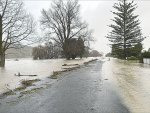
A review into the Wairoa flooding event on 26 June 2024 has found the flood was caused by a combination of factors leading to the river backing up and overflowing.
The Government has activated Enhanced Taskforce Green (EFTG) in response to flooding in the Tairāwhiti and Wairoa regions.
Farmers on the East Coast are busy trying to get out on their farms and assess and repair the damage caused by the recent storm event.


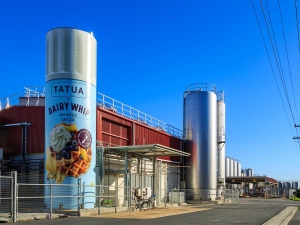
Waikato milk processor Tatua has again declared a record milk payout to farmer shareholders, leaving other processors in the dust.

A Labour-led Government won’t be bringing back the controversial freshwater rules of 2020.
National’s much-touted free trade deal with India featured in the Rural Issues Debate at Mystery Creek, Hamilton on Wednesday night.
New Zealand's 2026-27 freshwater fishing season has opened, with anglers encouraged to head to rivers and lakes over the coming days as conditions look favourable across much of the country.
Central Otago District Council (CODC) has voted against a plan to spread treated sewage sludge from Cromwell and Alexandra on farmland near Lauder, a decision Federated Farmers says reflects strong opposition from rural residents.
Pāmu has released its FY26 Integrated Annual Report, reporting a Net Operating Profit of $113 million, more than double the $49 million recorded in FY25.