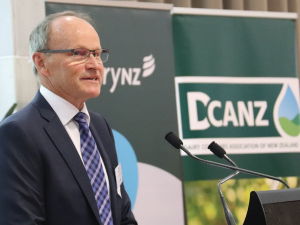
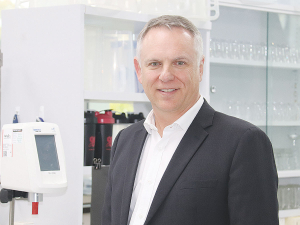
MPI’s director-general, Ray Smith, wants his staff to engage more with the rural sector.
He told Rural News this is a key element in his just released strategic plan for this year.
Smith says he’s told his management team to engage more, be agile, open and proactive, and be much more available to local communities.
“We have to be seen to be listening and acting on things people want us to do to support them. We are the Ministry FOR the Primary Industries and our job is to back industry to win,” he says.
“We will always hold our regulatory bottom line and make sure food is safe, but the top line is getting businesses to win and getting in behind them.”
Smith says he intends to practice this himself and says if a farmer rings up with a problem he can solve… “then I will take the call and do what I can to help”.
The new strategy focuses on how MPI does things and adjusts its working style to be a better partner with others, Smith says.
“In the past we have had a strategy of growing and protecting NZ. While this is still valid it’s now been broadened out to focus on prosperity to ensure the wealth created by agriculture and horticulture is shared by more NZers.
“We have a strong focus on sustainability and caring about the environment, which includes such things as climate change.
“Sustainability is a big issue for us and we need to get farmers talking to farmers about the positive experiences they have had.”
Smith says he’s read many stories about farmers who have done amazing things on their properties and landscapes – integrating trees, looking after waterways or introducing wetland areas onto their farms to protect the ecology and biodiversity of their land.
“We need to promote that, and help other farmers make those transitions too,” he says.
Biosecurity is a huge focus requiring big spending to deal with increased imports, tourists and parcels through the Auckland mail centre.
“I have been through it a couple of times and it’s really not fit for purpose for the millions and millions of parcels that go that through that facility,” he said. “We are working with NZ Post to build a new facility, but this is probably two or three years away.”
Smith also wants to work with the industry to find ways to import new plant material into NZ faster. There is now a four year waiting list to get material assessed and he wants this speeded up. NZ’s diversifying into new products requires a better system.