Feds Back National’s 19 Farming National Standards
National’s pledge to introduce 19 new national standards shows the party is serious about getting Wellington out of farming, Federated Farmers says.
 increase font size
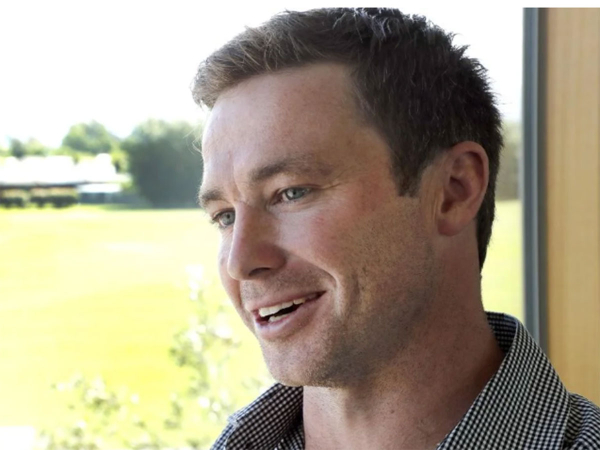 Federated Farmers' new meat and wool chair Richard Dawkins.
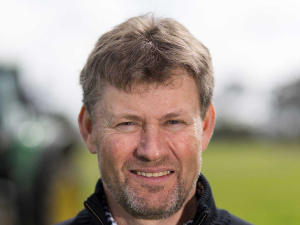
Newly elected Federated Farmers meat and wool group chair Richard Dawkins says he will continue the great work done his predecessor Toby Williams.
The Malborough sheep and beef farmer acknowledged the great work that Williams had done during his two-years and eight-month stint.
Williams was voted out by the meat and wool group at their annual meeting in Christchurch on Wednesday. All roles in Federated Farmers are up for re-election every year – with a three-year term limit. Williams’ ouster came as a surprise.
Dawkins told Rural News that allowing members to run for leadership positions is a strength of Federated Farmers.
“The structure is such that the best man or woman can put their names forward for positions.”
He notes that the meat and wool group is run by 25 people who help the chair and eight-member executive, and they are “a tower house of experience for all”.
“I will ensure that we are hearing a lot from these people going forward.”
Dawkins also confirmed that the ‘Save our Sheep’ campaign, spearheaded by Williams, to stop whole sheep farms being converted to forestry will continue.
Dawkins (35), farms with his wife Jess in the Waihopai Valley near Blenheim.
National’s pledge to introduce 19 new national standards shows the party is serious about getting Wellington out of farming, Federated Farmers says.
Mobile phone coverage and reliability are deteriorating in rural areas, and farming families are bearing the cost, according to a Federated Farmers survey.
Central Otago District Council (CODC) has voted against a plan to spread treated sewage sludge from Cromwell and Alexandra on farmland near Lauder, a decision Federated Farmers says reflects strong opposition from rural residents.
Federated Farmers has called on Central Otago District Council (CODC) to drop or vote down a plan to truck sludge from Alexandra and Cromwell to farmland near Lauder, warning it would compound an "outrageous" situation created by a separate council's decision weeks earlier.
Federated Farmers says new legislation replacing the Resource Management Act will cut red tape, unlock investment and help grow New Zealand's export-led economy, after the Planning Bill and Natural Environment Bill passed their third reading in Parliament yesterday.


Mark Hooper has been appointed the new chair of NZPork, the industry organisation representing New Zealand pig farmers.

As the India-New Zealand free trade agreement enters into force, New Zealand’s apple industry has reaffirmed its commitment to the long-term development of India’s apple sector.
Fonterra shareholders can begin voting on Tuesday 20 October in the 2026 Board of Directors’ election, a Co-operative Council election in one Ward, and seven Annual Meeting resolutions.
National’s pledge to introduce 19 new national standards shows the party is serious about getting Wellington out of farming, Federated Farmers says.
The National Party’s policies to make it easier to grow fresh vegetables, secure reliable water and energy and simplify farm planning are practical changes that will give growers the confidence to invest, according to Horticulture New Zealand (HortNZ).
Fonterra Co-operative Group chief financial officer Andrew Murray has resigned to take up a role outside the dairy giant.