MPI Opens $3m Greenhouse Gas Research Funding Round
The Ministry for Primary Industries (MPI) has announced has opened applications for the 2026/27 funding round of the Greenhouse Gas Inventory Research (GHGIR) fund.
 increase font size
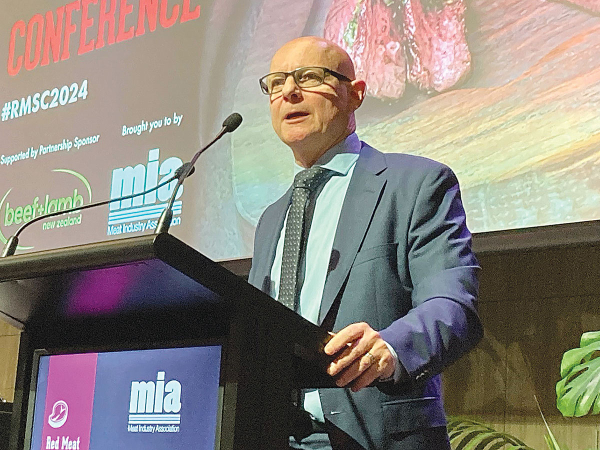 MPI director general Ray Smith says that relying on ‘brand NZ’ won’t be enough.
A warning to the red meat sector that competition in many of its key markets is heating up.
This comes from the Director General of the Ministry for Primary Industries (MPI) Ray Smith in a keynote address to the Red Meat Sector conference in Wellington last week.
He says relying on 'brand New Zealand' won't be enough to ward off the many meat producing countries that are exporting to markets in which NZ has had something of a privileged position for years.
Smith says, for example, Australia has increased the volume of sheepmeat it exports while South America has increased its beef exports.
His warning to the sector was one of the key themes at the conference. Other speakers had similar messages and said NZ needs to lift its game in dealing with competitors and securing access to developing markets. Issues such as FTAs and having quality international relationships in key forums to state NZ's case were also advocated.
Smith says NZ has to make sure that high value consumers understand the full range of attributes out grass-fed products offer and that they are better in every respect to grain-fed animal products.
"We must work hard to see that this proposition resonates with high-paying customers. Remember that NZ is targeting customers with a product that is higher in value and we are looking for those higher value customers to find their way towards our product. There is quite a bit of work to do in market but there is quite a bit of opportunity there for the taking," he says.
Ray Smith says MPI is reorganising its own capability in market access and trade to put greater focus on ensuring NZ companies maximise value from existing FTAs.
The Ministry for Primary Industries (MPI) has announced has opened applications for the 2026/27 funding round of the Greenhouse Gas Inventory Research (GHGIR) fund.

AMINZ and the Ministry for Primary Industries (MPI) have partnered to develop a new Farm Debt Mediation video series aimed at farmers, creditors, and advisors.
China remains New Zealand’s biggest market, taking $23 billion of our exports, but it’s no longer a commodity story, says Prime Minister Christopher Luxon.
Dairy continues to be the mainstay of the country's primary export earnings.
Don’t worry about it but just be aware - that’s the message from Ministry for Primary Industries (MPI) director-general Ray Smith as the H5N1 strain of bird flu is found in Australia.

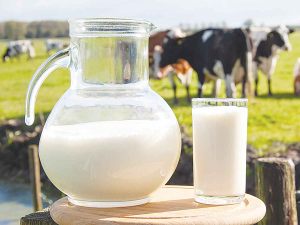
New Zealand dairy farmers are set to be the first in the world to receive access to a new digital physical milk pricing tool that enables them to fix the price for their physical milk.
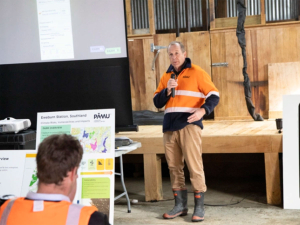
State farmer Pāmu is opening its farm gates this summer in an effort to give the rural sector the opportunity to see how large-scale, multi-system farming is delivering productivity and profitability across New Zealand.
A five-year study has found that the cost of reducing emissions without technology may be significant and unsustainable for Northland dairy farmers.
DairyNZ says Waikato farmers need certainty on Plan Change 1, but they say that certainty must be matched with practical, workable rules and a clear transition that doesn't get ahead of the new resource management system currently under review.
While the Government has moved quickly to make commercial hauliers' lot easier during the current fuel crisis, they appear to be stuck in the creep box when it comes to the agricultural industry.
Waikato farmers have been told that the Government’s new planning system legislation and the region’s Plan Change 1 (PC1) “won’t mesh together very well”.