TB plan review to focus on possum hot spots
New Zealand is closer to eradicating bovine TB than ever before, but possums remain a threat, says Beef + Lamb New Zealand.
 increase font size

Parts of coastal Rangitikei are reaping the rewards of the Animal Health Board's (AHB) moves to eradicate bovine tuberculosis (TB) from New Zealand.
More than 32,000 hectares of land in the region no longer have TB in wild animals, following intensive possum control, a range of surveys and scientific analysis. As a result, the area has been officially declared TB-free.
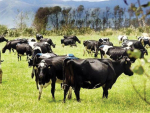
Cattle and deer farmers can be reassured that infected wild animals now pose negligible risk to livestock across around 16,000 hectares of coastal Rangitikei-Turakina and around 16,350 hectares of coastal Rangitikei-Bulls.
"Eradicating bovine TB from wild animal populations in these areas is a significant step on the road to ridding New Zealand of the disease," said Roger Beck, TBfree Manawatu-Wanganui Committee Chairman.
"Eradicating TB from the main wild animal carriers of the disease helps protect the reputation and economic benefit of the pastoral agricultural sector, which forms the backbone of rural communities such as Rangitikei.
"It is vital that we maintain access to premium overseas markets for our high quality beef, dairy and deer products," said Beck.
The AHB will continue to monitor wildlife populations in coastal Rangitikei through surveys and post mortem of animals to ensure the area remains free of TB.
Possums are responsible for around 70 per cent of new cattle and deer herd infections in TB risk areas. The national TB control strategy aims to eradicate the disease from one quarter of the 10 million hectares of New Zealand in which infected wild animals are known to inhabit.
New Zealand is closer to eradicating bovine TB than ever before, but possums remain a threat, says Beef + Lamb New Zealand.

As an independent review of the National Pest Management Plan for TB finds the goal of complete eradication by 2055 is still valide, feedback is being sought on how to finish the job.
The move to bring bovine TB testing in-house at Ospri officially started this month, as a team of 37 skilled and experienced technicians begin work with the disease eradication agency.
New Zealand's TBfree programme has made great progress in reducing the impact of the disease on livestock herds, but there’s still a long way to go, according to Beef+Lamb NZ.
OSPRI will carry out on-farm TB testing, following AsureQuality's decision not to renew their contract.



Ravensdown shareholders have elected Jane Montgomery and Kate Acland to the Ravensdown Board for three-year terms, following a closely contested director election.
Federated Farmers says new legislation replacing the Resource Management Act will cut red tape, unlock investment and help grow New Zealand's export-led economy, after the Planning Bill and Natural Environment Bill passed their third reading in Parliament yesterday.
Leading figures from the major political parties will be questioned on their primary sector policies at the Rural Issues Debate at Mystery Creek Events Centre, Hamilton, on 30 September.
OPINION: Have a plan in place now!
Beef + Lamb New Zealand (B+LNZ) says it welcomes the passage of the Natural Environment Bill and Planning Bill, calling the bills a positive step for sheep and beef farmers.
A spate of southerly winds bringing cold temperatures has presented challenges for Taranaki dairy farmers.