Post-quake study reveals hort potential
Large areas of North Canterbury and South Marlborough – affected by the 2016 Kaikoura Earthquakes – offer wide potential for horticulture.
 increase font size
 Quake damage near Kaikoura. Photo: Wetherells Transport.
Feds' general policy manager, Nick Clark says rural district councils affected by the earthquake will need considerable funding assistance from central government to get their infrastructure back in action.
He says this is because of their ‘thin’ rating base.
Clark says as well as the impacts on people’s lives and livelihoods, there will be significant economic ramifications, both immediate and long-term with the impacts will be felt locally and nationally.
The actual amount of damage and costs involved are still unclear and will take time to emerge. He notes that the scale of the disaster is immense and there has been severe damage to crucial transport and communications infrastructure, not to mention farms, businesses and homes.
Clark says the cost of repair and rebuild alone will likely be in the billions and then there is the cost of the disruption, including lost business.
There will likely be upward pressure on costs and prices and some current and planned projects may have to be reshuffled, Clark says. With transport routes disrupted, potentially for months, transport times and freight costs will rise and this will probably increase prices of goods and services used by businesses and consumers, especially in the South Island.
Clark says longer term, the earthquakes bring into stark relief the vulnerability of our transport and communication links and there will be much thinking over the coming weeks and months about how to make these links more resilient.
He says this could result in some tough decisions, including the potential to change the routes of roads, railways and shipping, which would have long-term impacts on affected communities.
Large areas of North Canterbury and South Marlborough – affected by the 2016 Kaikoura Earthquakes – offer wide potential for horticulture.
Two years on from the devastating November 2016 Kaikoura earthquake, Kaikoura dairy farmer Graham Collins says he is getting used to “the new normal”.
A New Zealand Winegrowers’ research project, funded by MPI, is hoping to take the lessons from the 7.8 Kaikoura earthquake to build a more resilient industry for the future.
Three months on from the huge November 2016 earthquake the badly damaged land on one farm near Waiau is still settling and moving – but the house isn’t.
Port Nelson has been a key infrastructure asset for the top of the south for decades but its importance to Marlborough is becoming even more significant, following last year’s 7.8 earthquake.

Associate Agriculture Minister Mark Patterson says his party – NZ First - isn’t opposed to the “trade element” of a free trade deal with India.
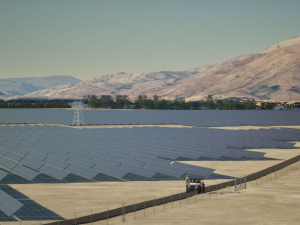
The managing director of a company seeking to build a solar farm in Canterbury says receiving fast-track approval is a “really positive outcome”.
Retiring MP and dairy farmer Mark Cameron is blasting the Green Party for proposing to ban the use of synthetic fertiliser and cutting cow numbers.
A huge reduction in ACC claims from on-farm accidents over the last five years is due to thousands of small, practical decisions being made in sheds, yards, paddocks and around kitchen tables across the country, says Safer Farms ambassador Lindy Nelson.
Wayne and Ange Moxham of Horowhenua have just been named as Fonterra's top organic performer for milksolids. As well as providing organic milk to Fonterra, the couple also sell Udderly Organic milk to more than 100 outlets in the region and are embarking on another exciting venture producing organic gelato. Reporter Peter Burke went along to see their farming operation.
Certainty and a clear understanding of the needs of rural communities is a critical outcome in the series of government reforms that are taking place at present.