NZPork Names Mark Hooper Chair, Paul Bucknell Retires
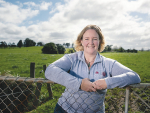
Mark Hooper has been appointed the new chair of NZPork, the industry organisation representing New Zealand pig farmers.
 increase font size
 NZPork chief executive Brent Kleiss.
NZPork says it is pleased with recommendations from Parliament’s Regulations Review Committee to explore clearer labelling regarding the country of origin for pork.
Last year, NZPork complained to the select committee that food labelling regulations do not ensure consumers have accurate information about the country of origin of pork, particularly in processed pork products that are cured such as ham and bacon, but also in a wide range of other products, such as marinated pork, sausages and salami.
Currently, the Consumer Information Standards (Origin of Food) Regulations allow manufacturers to advertise that a pork product such as bacon or ham is “made in New Zealand”, while putting on the back in fine print a list of countries the pork may be sourced from. Countries could include ‘New Zealand’ even if pork farmed in New Zealand is only a very remote possibility.
Now, Members of Parliament on the select committee have recommended that the Government considers amending the regulation to avoid labelling practices which may confuse consumers about the origin of the products.
NZPork chief executive Brent Kleiss says clear and unambiguous labelling allows consumers to make informed purchasing decisions.
“We have been concerned that products are being sold to consumers as ‘made in New Zealand’ when they are not made from born and raised New Zealand pork,” he says.
“The fact that these products contain meat from foreign sources is only mentioned in small print on the back of the product. This practice is misleading and confusing for consumers as to the true nature of the product’s origins.”
“We are pleased the select committee has found the regulations are not consistent with the purpose of the Fair Trading Act and the Country of Origin of Food Act,” he says.
Kleiss says NZPork now urges the Government to address the issue as a matter of urgency.
“This will help provide consumers with the confidence that they are ‘buying local’, knowing they are supporting Kiwi farmers and purchasing pork raised to high levels of animal welfare.”
“Kiwis should look for the ‘100 per cent NZ’ pork labelling or NZPork’s PigCare label on pork packaging.
“More than 60 per cent of pork consumed in New Zealand is imported and produced using practices that are illegal in this country. Kiwi pig farmers just want a fair go.”
Mark Hooper has been appointed the new chair of NZPork, the industry organisation representing New Zealand pig farmers.

Rural leader Mark Hooper has been appointed as an independent director to the NZPork board, bringing extensive farming, governance and advocacy experience to the role.
As the cost-of-living crisis continues to put pressure on household grocery budgets, new figures show pork remains one of the most affordable fresh meat options for New Zealand families.
New data shows that pork remains one of the more affordable meat options for New Zealand households at a time when grocery costs continue to put pressure on budgets.
NZPork says the Government needs to strengthen its proposed planning laws to ensure New Zealand's pig farmers can continue to produce pork.



Federated Farmers has welcomed new rural policies released by ACT, saying they align closely with its own election priorities.

Rural Contractors NZ says proposed changes to land transport rules for agricultural vehicles are a welcome response by the Government to out of date regulations which have seen members hit with huge fines.
Alliance is calling for final applications for its 2027 Graduate Programme, with applications closing on Sunday 25 October.
Decades piloting planes has ensured vet and farmer David Hayes is focused on safety. So, after a serious accident while welding on farm, he is sharing his experience so others can learn from it.
Canterbury milk processor, Synlait Milk has confirmed Leon Fung as its chief executive officer.
OPINION: Making it easier to collect rainwater and use it to grow crops and livestock is a no brainer.