Cool Beef: NZ's New Programme to Cut Cattle Methane
Beef+Lamb New Zealand and the Ag Emissions Centre have launched a new research project aimed at helping beef farmers reduce methane emissions without impacting productivity or profitability.
 increase font size
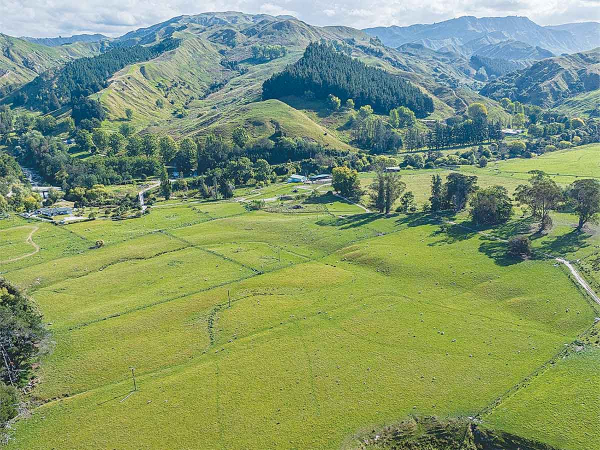 The survey found that 95% of the 1,460 farmers surveyed think that reducing livestock methane won't impact global climate change.
According to a new farmer survey, many farmers are rejecting New Zealand’s current ruminant methane strategy.
The survey - prepared by NZ Farming, Groundswell NZ, and the Methane Science Accord – found that 95% of the 1,460 farmers surveyed think that reducing livestock methane won’t impact global climate change.
Additionally, 94% of farmers surveyed say they believe methane cuts should not be a necessary part of market access and 93% refuse to use methane inhibitors on their animals.
Duncan Humm of NZ Farming says there is growing unease in the sector around the ways in which methane inhibitors impact livestock.
“These interventions go against everything our farming systems stand for,” Humm says.
“How did we get this far down the track without consulting the very people expected to deliver these changes?” he adds.
Meanwhile, Helen Mandeno from the Methane Science Accord says that scientific research suggests that ruminants don’t contribute much to the warming of the planet.
“Professor David Frame has shown that New Zealand’s ruminants might, at worst, contribute four millionths of a degree Celsius warming per year,” Mandeno says. “It would take 250,000 years for that to amount to 1 °C.”
The three groups behind the survey say that despite New Zealand’s farmers being leaders in low-emissions food production, they feel ignored as methane reduction policies are pushed forward.
They say farmers want to know why money has been spent on methane tools without farmer consultation, why co-ops joined the AgriZero NZ public-private partnership without asking stakeholders, and who biotechnology tools like methane inhibitors are for if farmers don’t want them.
“Ruminant methane is a natural part of the carbon cycle – don’t punish farmers and their animals for a crime they didn’t commit,” the organisations say.
Beef+Lamb New Zealand and the Ag Emissions Centre have launched a new research project aimed at helping beef farmers reduce methane emissions without impacting productivity or profitability.
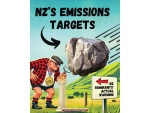
OPINION: Back in April, the Intergovernmental Panel on Climate Change delivered an update that should have triggered an 8.5 magnitude earthquake in the world of climate change policy.
Centre right parties are backing policy positions pushed by three farmer lobby groups ahead of the general election.
Three farmer lobby groups are applying the blowtorch to political parties on key issues facing the primary sector ahead of the general elections.
Visiting US climate change expert Dr Will Happer says the idea of reducing cow numbers to greatly reduce methane emissions is crazy.


An Auckland gelato shop and an established New Zealand ice cream maker have both been named Supreme Champions at the NZ Ice Cream & Gelato Awards 2026.

As the cost-of-living crisis continues to put pressure on household grocery budgets, new figures show pork remains one of the most affordable fresh meat options for New Zealand families.
OPINION: In politics, credibility is and should be big. It must surely rank higher than charisma, which is quite trite and superficial. Yet, voters nowadays are often wooed and influenced by how someone looks or talks at a superficial level. TV plays a huge role in this.
Farmers can spend less time on paperwork, thanks to a new data sharing agreement between DairyNZ’s DairyBase and LIC’s MINDA software.
Kaikōura families affected by July's severe storm have found a practical solution to a problem that's kept some children away from regular schooling for weeks: a washed-out section of Inland Kaikōura Road, which has stopped the local school bus from running its usual route.
Rural New Zealand is welcoming the Government’s recent package of rural healthcare initiatives.