Cyclone Gabrielle: Hawke's Bay Orchardists Still Recovering
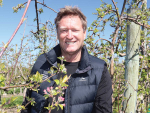
Three and a half years on from when Cyclone Gabrielle hit Hawke's Bay, some orchardists in the region are still receiving counselling to help them deal with the trauma they suffered.
 increase font size
 Former regional council chair and local farmer Fenton Wilson believes if the roads were better, the price of products would be lower.
Leading Wairoa farmer and businessman, Fenton Wilson says if ever there was a time to demonstrate the need for NZ to get its roading infrastructure into the 21st century, it's now.
Wilson is a fifth generation sheep and beef farmer in the district and was a former chair of the Hawke's Bay Regional Council. He's now on a number of other company boards.
He told Rural News that businesses operating in Tairawhiti are facing increased costs to get their products to market because of the poor and unpredictable state of the roading network. He believes if the roads were better, the price of products would be lower.
Wilson describes Cyclone Gabrielle as "hugely confronting", coming on the back of Covid and a series of uncertain years - including other storms.
"We've had two years of rain this year already," he told Rural News.
"My rain data shows that we have had at least 100mm of rain a month - sometimes more - which is well above our average rainfall. You just start to take a step forward and the quad bike is stuck in the mud again. Just after Gabrielle, we got another 100mm of rain and that broke the camel's back, up our valley."
However, six months on from Gabrielle, Wilson says the glass is starting to become half full again as the recovery progresses. He says while the grass is starting to grow, the district is still a bit wounded, bruised and battered, and there are still farmers struggling to get fences up and machinery on their farms.
"But I think there's a reset coming and that people will farm differently following what has happened as a result of Cyclone Gabrielle," he adds.
"We will all have a better appreciation of land classes in our business and those with any aversion of trees of any sorts might have to rethink how they do stuff."
Wilson says it's all about having viable, profitable and resilient businesses.
He's confident about the future, given the excellent young farmers coming through the system.
Three and a half years on from when Cyclone Gabrielle hit Hawke's Bay, some orchardists in the region are still receiving counselling to help them deal with the trauma they suffered.
Horticulture NZ says the funding boost to improve state highway resilience will support growers and strengthen the transport links they rely on to get produce to market.
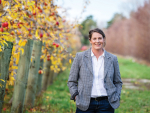
The chief executive of Apples and Pears New Zealand, Danielle Adsett, says fruit quality this year is phenomenal and the sector is hitting crop estimates, which is great for growers.
OPINION: She's a bit damp on the East Coast. Hughie can't stop the rain, and the high temps in between weather events has got the flies on the front foot in the animal health stakes.
OPINION: After a very good farming year and a few bucks back in the tin, farmers will be remiss not to consider the next steps in life and what that means for their farming business. Sheep and beef farmers are no exception.
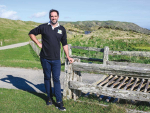

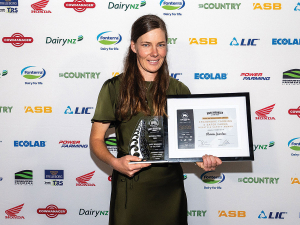
When dairy manager Miriam Lauridsen learned the farm, she was joining held weekly health and safety meetings, she initially thought that was “a bit over the top”. Experiencing that culture changed her mind.
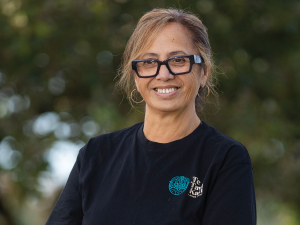
Nominations are open for the 2027 Fonterra Dairy Woman of the Year Award.
Keeping up with pasture moisture demands is likely to be the key challenge for dairy farmers during this season’s El Niño weather pattern, says Blue Skies Weather & Climate Services meteorologist Tony Trewinnard.
Farmers have until the end of this week to help shape DairyNZ’s future focus.
Wayne McNee, chief executive of AgriZeroNZ, has resigned and will leave the organisation on 15 January 2027.
The New Zealand dairy sector set a record in the 2025/26 season, producing more than two billion kilograms of milksolids for the first time.