
Fines For Velveting Without Pain Relief, Illegal Slaughter and NAIT Breaches
Three men have been sentenced in District Courts after Ministry for Primary Industries prosecutions over animal welfare, food safety and cattle tracing offences.
 increase font size
 Ray Smith.
The rise and rise of horticulture is prompting MPI to reconfigure its operations.
Chief executive Ray Smith says with the sector planning to go from a $6 billion industry to a $10b industry there are things MPI needs to do.
The first is on biosecurity.
“For the nearly one million containers that come into New Zealand and the parcels coming into the mail centre and the tourists -- we have to do everything we can to stop pests and diseases getting in.
“And if they do get in [we must] act quickly and with the industry.”
Smith told Rural News he’s impressed with how MPI has worked with the industry to contain the recent fruit fly problem. That’s an example of working together and there is a need to strengthen those bonds.
“But there are other issues for an industry that is growing such as labour supply and skills. I think of young NZers who haven’t grown up, as many of us have, with a real connection to the agricultural or horticultural sector so we have to teach them about that.
“We are looking about how we get into secondary schools to get people excited about our primary industries and the job opportunities there.”
And it’s not just training and labour supply, it’s also robotics, says Smith. He’s talked to people part way through designing robotic machines which could help alleviate some of the labour supply problems.
“They want us to back them to develop their products and I would like to do that,” he said.
Smith notes MPI’s massive regulatory role, the ‘bottom line’ keeping our system intact.
But he says the top line is to “see the industries grow” and for MPI to partner with them to find ways to support them.
Three men have been sentenced in District Courts after Ministry for Primary Industries prosecutions over animal welfare, food safety and cattle tracing offences.
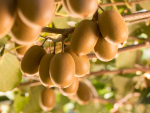
Where any worker in the kiwifruit industry is mistreated, we expect the authorities to take action.
Kiwifruit growers are watchful but remain optimistic as concerns around the potential effects of the El Niño weather pattern this season.
James Blair, an agronomist for AS Wilcox and the Pukekohe regional champion, has won the 2026 Young Grower national title.
Testing confirms H5 bird flu in a single northern giant petrel, found dead on a remote Cape Palliser beach in the Wairarapa, says Dr Mary van Andel, the Ministry for Primary Industries' (MPI) Chief Veterinary Officer.



Three men have been sentenced in District Courts after Ministry for Primary Industries prosecutions over animal welfare, food safety and cattle tracing offences.
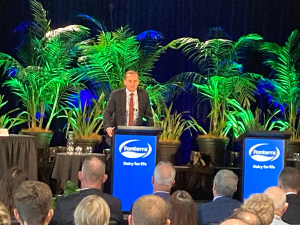
Fonterra’s 2026 financial year was a year of delivery, with record volumes of milk collected, processed and shipped by the co-op.
OPINION: The Government's decision to reinstate agriculture and horticultural science as a standalone subject from Year 11 is the right one.
Dairy farmers, still holding onto their Fonterra shares despite switching milk supply elsewhere or exiting the industry, now face a stricter share sell-down requirement.
Hamilton-based agritech company Aimer Farming has completed a $3 million capital raise to support its next stage of growth, including a beef farming product due to launch in 2027.
When dairy manager Miriam Lauridsen learned the farm, she was joining held weekly health and safety meetings, she initially thought that was “a bit over the top”. Experiencing that culture changed her mind.