Editorial: United strategy for wool
OPINION: Wool farmers believe the future of strong wool still holds promise.
 increase font size
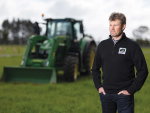
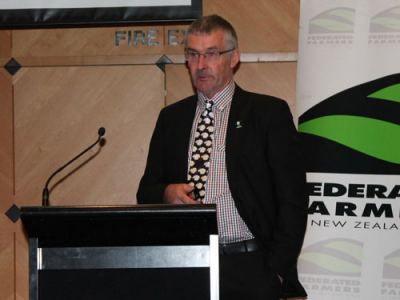 Mark Shadbolt.
Greater sales volume is critical for Wools of NZ, says chair Mark Shadbolt.
The trademarked scouring process Glacier XT will be a more volume-focused business, he says.
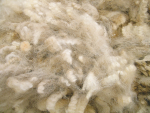
“That will create lot more demand. It is creating a wool that is a lot whiter and brighter and is the sort innovation and technology we need to invest in to add value to the wool.
“We have had a lot of interest in the market for it because the brightness is the key aspect that the industry hadn’t been able to acquire until this technology became available.”
If there was a quick fix for the wool industry it would have been done, he says. Many initiatives have been tried, unsuccessfully.
“Our strategy is very long term: we’ve been at it four and a half years. I think it will take another five years to gain any real traction and influence a significant volume of the NZ wool clip.”
But to make a difference requires building relationships right out to the consumer, spending money and adopting new technology, he says.
“Trading wool as a commodity will never change the game. We have learned from 150 years of wool trading that [commodity trading] has never created real value back to the farmgate.
“But from a farming point of view – sheep and beef -- we have been getting $6/kg for beef and $6 for lamb; that is helping but I would like to see $6/kg for wool on a sustainable basis.
“That would keep growers on their wool production.”
OPINION: Wool farmers believe the future of strong wool still holds promise.
Woolgrowers have almost unanimously voted in favour of the proposed merger of Wools of NZ (WNZ) and Primary Wool Co-operative- owned CP Wool (CPW).
Former Beef+Lamb chair James Parsons has been elected as chair of Wools of New Zealand (WNZ).
The Wool Summit had an air of collaboration and an understanding of the need to consolidate the industry, says Wools of New Zealand chairman Mark Shadbolt.


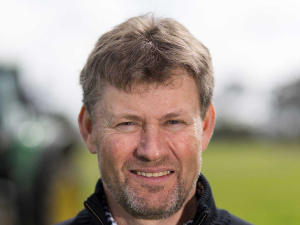
Mark Hooper has been appointed the new chair of NZPork, the industry organisation representing New Zealand pig farmers.
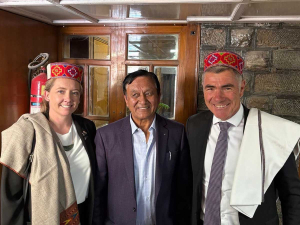
As the India-New Zealand free trade agreement enters into force, New Zealand’s apple industry has reaffirmed its commitment to the long-term development of India’s apple sector.
Fonterra shareholders can begin voting on Tuesday 20 October in the 2026 Board of Directors’ election, a Co-operative Council election in one Ward, and seven Annual Meeting resolutions.
National’s pledge to introduce 19 new national standards shows the party is serious about getting Wellington out of farming, Federated Farmers says.
The National Party’s policies to make it easier to grow fresh vegetables, secure reliable water and energy and simplify farm planning are practical changes that will give growers the confidence to invest, according to Horticulture New Zealand (HortNZ).
Fonterra Co-operative Group chief financial officer Andrew Murray has resigned to take up a role outside the dairy giant.