India FTA Removes 33% Tariff on NZ Sheepmeat
New Zealand’s red meat sector has welcomed the India-New Zealand Free Trade Agreement taking effect, which removes India’s 33% tariff on New Zealand sheepmeat.
 increase font size
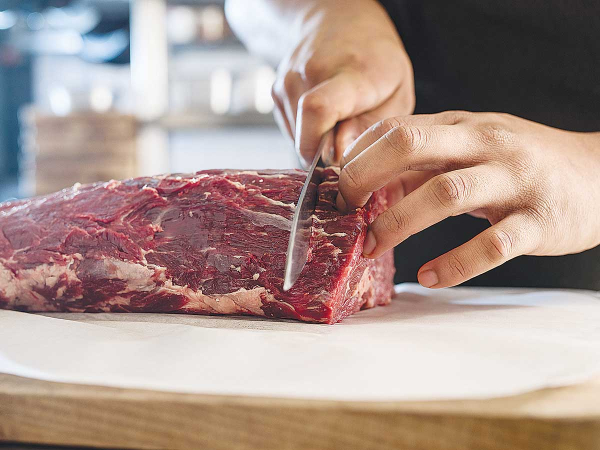 July saw the largest drop in exports for both NZ beef and sheepmeat to China.
New Zealand's largest red meat export market has hit the wall, with China taking much less of our sheepmeat and beef.
Latest figures from the Meat Industry Association (MIA) show that China is still our largest red meat export market. However, during the month of July, the industry saw the largest drop in exports for both beef and sheepmeat to that market.
The MIA says in July sheepmeat exports to China were down 31% by volume to 12,148 tonnes and 45% by value to $74 million. At the same time, beef exports to China also declined, 29% by volume to 16,241 tonnes and 48% by value to $124 million compared to July 2022.
“While this drop can be partly attributed to the high level of exports last July, these were still lower than other recent July figures for China,” MIA chief executive Sirma Karapeeva says.
She says NZ’s sheepmeat markets are under “significant pressure” due to a declining sheep flock and an increase in beef and dairy cattle numbers.
NZ exported $807 million worth of red meat products during the month of July – $293 million less than the $1.1 billion exported in July 2022.
Year-on-year, sheepmeat exports are down 25% by volume to 24,677 tonnes and a further 34% by value to $249 million.
The MIA believes the 24% drop in red meat exports during July this year – compared to the same month in 2022 – is down to a catch-up in processing following Covid-related disruptions. It claims the latest July result is “in line” with previous July exports in 2016-2021.
“This big drop is a short-term impact from the very high export volumes last July, which were largely a result of Covid-related disruptions in the first quarter,” Karapeeva explains.
“Productivity gains in the sheep sector has meant that the drop in sheepmeat exports has not been as significant as the increase in beef exports.”
Ag The Key
Meanwhile, New Zealand’s red meat sector is calling on any future Government to put agriculture, as well as the production and export of beef and lamb, at the heart of its economic strategy.
The sector’s “Putting Meat on the Bone” briefing to incoming Ministers document was recently released by the Meat Industry Association and Beef + Lamb New Zealand (B+LNZ). It sets out the strategic challenges that New Zealand must grapple with to improve the prosperity of the country and outlines five ways to do this. It includes:
“Agriculture is our only industry of scale and one area where New Zealand has a significant comparative advantage on the world stage,” said MIA chair Nathan Guy. “The red meat sector makes a massive contribution to our economy. With the right policy settings, we could grow this substantially, but it requires government to help facilitate growth – not hinder it.”
Guy says having political parties taking a long-term view will help to build political consensus to get things done.
“There is a strong precedent for a bipartisanship approach,” he adds.
“New Zealand’s trade strategy has established a network of Free Trade Agreements over the past 30 years that have contributed significantly to our economy and overall global competitiveness.”
New Zealand’s red meat sector has welcomed the India-New Zealand Free Trade Agreement taking effect, which removes India’s 33% tariff on New Zealand sheepmeat.
New Zealand's red meat and fifth-quarter exports reached $867 million in August, up 23% on the same month last year, as stronger returns lifted earnings across all major markets.
Meat Industry Association data, released alongside the Red Meat Sector conference in Wellington, shows export value climbing across the US, China, UK and Canada.
Esther Guy-Meakin has been announced as the new chief executive of the New Zealand Meat Board (NZMB).


Federated Farmers has welcomed new rural policies released by ACT, saying they align closely with its own election priorities.

Rural Contractors NZ says proposed changes to land transport rules for agricultural vehicles are a welcome response by the Government to out of date regulations which have seen members hit with huge fines.
Alliance is calling for final applications for its 2027 Graduate Programme, with applications closing on Sunday 25 October.
Decades piloting planes has ensured vet and farmer David Hayes is focused on safety. So, after a serious accident while welding on farm, he is sharing his experience so others can learn from it.
Canterbury milk processor, Synlait Milk has confirmed Leon Fung as its chief executive officer.
OPINION: Making it easier to collect rainwater and use it to grow crops and livestock is a no brainer.