China No Longer Just A Commodity Story - Luxon
China remains New Zealand’s biggest market, taking $23 billion of our exports, but it’s no longer a commodity story, says Prime Minister Christopher Luxon.
 increase font size

The People's Republic of China's Government of Guizhou Province and New Zealand's Te Puni Kokiri (Ministry of Maori Development) have launched an international agricultural exchange programme.
The programme recognises that investing in the education of young people is a vital way to boost development in rural areas, the Vice Governor of Guizhou Province, Mu Degui and Te Puni Kōkiri chief executive, Leith Comer, signed a joint statement on agricultural cooperation in Guiyang, Guizhou Province, China.
New Zealand's Māori Affairs Minister Dr Pita Sharples is currently leading a trade mission in China. His 2010 business delegation included high level meetings in Guizhou, as did a smaller trade mission led by Comer in 2011.
"We have developed a strong and close relationship with the people of Guizhou: a beautiful and unique province, rich in cultural and natural resources with significant tourism and agricultural potential," said Sharples.
"Centering on agriculture, indigenous/ethnic development, community development and cultural tourism, the programme will also enable cultural exchange and collaboration."
The exchange will focus on building the capacity of young farm managers and animal husbandry technicians from ethnic minority communities in Guizhou. They will be given the opportunity to visit pastoral farming institutions in New Zealand. Moreover, Māori farm managers from New Zealand will have the opportunity to gain experience and provide practical support to agricultural development projects in Guizhou such as the Dushan Pastoral Seed Demonstration Farm. Te Puni Kokiri is investing in this agricultural and educational exchange to help strengthen the relationship between Maori and Guizhou's ethnic minorities.
Sharples says the auspicious Year of the Water Dragon also marks the 40th anniversary of bilateral diplomatic relations between the New Zealand and Chinese governments. New Zealand and Guizhou province share a special 27-year relationship built upon practical agricultural and development work.
"New Zealand's 100% Pure brand is one Maori have held for generations. We are people of the land, tangata whenua, guardians. We also share ancient cultural bonds to the people of Asia and China, bonds that we are proud to strengthen and celebrate."
China remains New Zealand’s biggest market, taking $23 billion of our exports, but it’s no longer a commodity story, says Prime Minister Christopher Luxon.
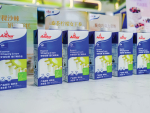
Fonterra is strengthening its foodservice presence in China with the launch of a new cream for professional bakeries at Bakery China 2026 in Shanghai.
OPINION: What does the birth rate in China have to do with stock trading? Just ask a2 Milk Company.
Additional tariffs introduced by the Chinese Government last month on beef imports should favour New Zealand farmers and exporters.
One of the most galling aspects of the tariffs whacked on our farm exports to the US is the fact that, now more than ever, US farmers are being propped up by government welfare – a direct result of Trump’s hardline on its trading partners.


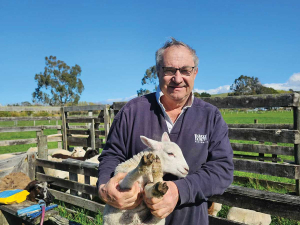
Decades piloting planes has ensured vet and farmer David Hayes is focused on safety. So, after a serious accident while welding on farm, he is sharing his experience so others can learn from it.
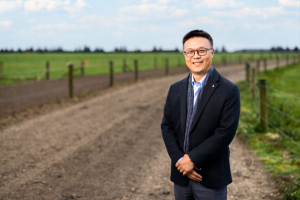
Canterbury milk processor, Synlait Milk has confirmed Leon Fung as its chief executive officer.
OPINION: Making it easier to collect rainwater and use it to grow crops and livestock is a no brainer.
As part of its Election 2026 coverage, Rural News asked political parties how they would help pull the arable sector out of the doldrums. Here's what they said:
Farmers are being encouraged to rethink how they manage waste on farm with the launch of ruralwastesorted.co.nz, a new website bringing together practical tips, real farmer experiences and resources.
New Zealand Winegrowers (NZW) is celebrating the India-New Zealand Free Trade Agreement (FTA) coming into force today, bringing New Zealand wine improved access to one of the world’s fastest-growing economies.