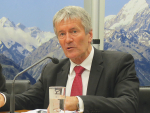
Damien O’Connor Criticises Budget 2026 as ‘Miserable’ for Rural New Zealand
A miserable budget that didn’t deliver much for anyone.
 increase font size
 Agriculture Minister Damien O'Connor claims the ban will reinforce New Zealand's reputation as a safe and ethical producer of high-quality food products.
Live cattle exports will be officially banned from April next year, following the passing of new regulations pushed through by Agriculture Minister Damien O'Connor.
The move ignored official advice from the Ministry for Primary Industries saying banning live exports would cause an economic loss and make recovery from Covid-19 more difficult in the rural communities where livestock exports provided an additional source of income. Live exports are estimated to earn the country nearly $500 million in annual export revenue.
O'Connor claims the ban on live exports by sea will, "protect New Zealand's reputation for world-leading animal welfare standards".
The legislation introducing the ban was vigorously opposed by both National and Act.
"Despite the overwhelming evidence that the ban was a bad idea, David O'Connor has pushed ahead," Act's agriculture spokesman Mark Cameron says. "Farmers kept the economy going through Covid. All it gets in return from Labour are policies that punish them."
O'Connor says the Government started a review of the livestock export trade in 2019 in response to concerns the trade could be a risk to New Zealand's reputation. This followed the sinking of the Gulf Livestock 1 in which two New Zealanders died and thousands of cattle were lost.
"This Bill reinforces and builds on New Zealand's reputation as a safe and ethical producer of high-quality food products," O'Connor claims.
"It protects the reputation of not just our farmrs now, but the farmers of the future who want to commit to livestock farming, assured that we are the best managers and producers of ethical animal protein for the world."
National's animal welfare spokesperson Nicola Grigg says the ban has robbed NZ of an opportunity to shape welfare standards in the global trade of live animals.
"The live export trade will continue whether or not New Zealand is part of it," she says.
"Now, unfortunately, other countries with less rigorous animal welfare standards will make up for the gap in the market as New Zealand withdraws."
Grigg says despite the Government downplaying the economic impact of the ban it cannot be overlooked or underestimated. She says an Infometrics economic impact report says it will reduce New Zealand's GDP by $472 million per year and cost breeders between $49,000 and $116,000 per farm per year.
O'Connor dismisses the economic impact saying it will be "small in the context of NZ's total primary sector exports".
"However, I do acknowledge the small number who are directly affected by these changes."
Both Act and National believe a better course of action, rather than a total ban, would have been to ensure animal welfare standards were upheld and to continue the trade under an improved regulatory Gold Standard
Developed in 2020, the Gold Standard is a 12-point regulation framework to improve and modernise the live export system. At its heart is the assurance of the good physical and mental health in animals, including freedom from stress and good nutrition.
Grigg says National has consistently proposed amendments for the Government to consider - everything from licensing mechanisms and exporter/importer certification mechanisms.
She says if National can form a government next year, it will commit to reviewing the ban.
A miserable budget that didn’t deliver much for anyone.

National's decision to ‘dribble’ information about the NZ/India to Labour contributed to the delay in it deciding to supported the FTA.
OPINION: The coalition Government seems to have chickened out when it comes to live animal exports by sea.
Exporters of live animals by sea say the decision by the coalition Government to go back on its word to reinstate the live export trade is "mysterious and disappointing".
When it comes to international trade, politicians from all sides of the aisle are united, says Labour's trade spokesman Damien O'Connor.



Now in its fourth year, the 2026 Fencing Industry Awards, formed part of the proceedings of the FCANZ Conference, held in Nelson during August.
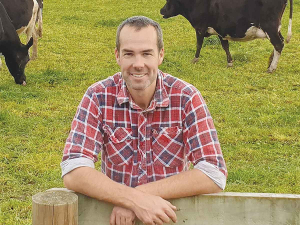
DairyNZ deputy chair Cameron Henderson has been re-appointed unopposed for another term.
OPINION: The stats speak for themselves.
Farms across the upper North Island are trialling different pasture mixes as part of a research programme that aims to build greater resilience into farming systems.
Election years are always a concerning time for farmers, according to DairyNZ chair Tracy Brown.
The Ballance Farm Environment Awards are coming to the West Coast of the South Island.