Damien O’Connor Criticises Budget 2026 as ‘Miserable’ for Rural New Zealand
A miserable budget that didn’t deliver much for anyone.
 increase font size
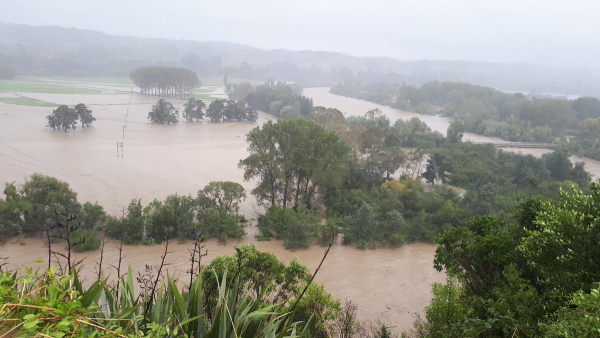
WE ALL have to chip in to help farmers recover, says Agriculture Minister Damien O’Connor.
While the Government will pour more money into recovery efforts, O’Connor wants banks and insurance companies to play their part in helping farmers recover. He told Rural News that banks and insurance companies must chip in and support the businesses they partner with.
“It’s time for them to step up alongside government, central and local, and the community that has been doing their bit. We all have to chip in here," he says.
The Government last week announced $25 million to kick-start recovery efforts for farmers, growers and rural communities significantly affected by Cyclone Gabrielle. This funding is part of the $50 million support package and applications started rolling in from last week.
The funding will go towards grants for farmers and growers for urgent work, including fencing, and clearing silt to save trees and vines.
O’Connor says their focus will be on the hardest hit areas, such as Hawke’s Bay, where key primary sector infrastructure, along with crops, vines and pastures were knocked out by the cyclone, not to mention the loss of stock and essential feed faced by farmers.
“It’s vital we help rural businesses recover so we can keep our regional economies ticking and exports flowing.”
The support provides grants to growers of $2,000/ha up to a maximum of $40,000 to remove silt from trees and vines, business operations where they support the clean-up, and minimise tree and vine losses.
O’Connor says the horticulture sector was hit hard by the cyclone, particularly in Hawke’s Bay. The funding will also help to preserve vital trees and vines for future production.
“Pastoral and arable farmers will receive grants of up to $10,000 to help recovery efforts. Farmers know their farms best, and this grant will help them to direct the money where it will help most, which could include repairs to stock-water infrastructure and fencing.”
B+LNZ chief executive Sam McIvor welcomed the Government’s assistance but says farmers must be able to easily access this funding.
“The Government funding must get to farmers quickly and effectively, particularly in those isolated areas, and we will be working to make this process as seamless as possible. MPI has been supportive of this,” he says.
“The cyclone has had a catastrophic effect on some farmers and their livelihoods, but rural communities are showing strength and unity.”
ACT agriculture spokesperson Mark Cameron also welcomed the Government assistance but warns that red tape and bureaucracy could hinder recovery.
“No amount of government funding will help farmers and growers recover from Cyclone Gabrielle if the Government doesn’t cut the red tape and bureaucracy that makes it so difficult to get anything done,” says Cameron.
A miserable budget that didn’t deliver much for anyone.

National's decision to ‘dribble’ information about the NZ/India to Labour contributed to the delay in it deciding to supported the FTA.
When it comes to international trade, politicians from all sides of the aisle are united, says Labour's trade spokesman Damien O'Connor.
Beef + Lamb New Zealand (B+LNZ) is having another crack at increasing the fees of its chair and board members.
Beef + Lamb New Zealand (B+LNZ) has appointed Alan Thomson as its new chief executive officer.



New Zealand's 2026-27 freshwater fishing season has opened, with anglers encouraged to head to rivers and lakes over the coming days as conditions look favourable across much of the country.
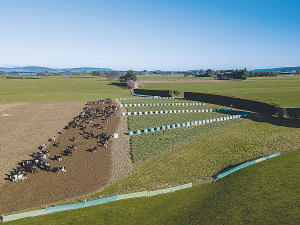
Central Otago District Council (CODC) has voted against a plan to spread treated sewage sludge from Cromwell and Alexandra on farmland near Lauder, a decision Federated Farmers says reflects strong opposition from rural residents.
Pāmu has released its FY26 Integrated Annual Report, reporting a Net Operating Profit of $113 million, more than double the $49 million recorded in FY25.
Meat Industry Association data, released alongside the Red Meat Sector conference in Wellington, shows export value climbing across the US, China, UK and Canada.
Applications are set to open for the 2027 Zanda McDonald Award, a trans-Tasman award recognised for identifying and fast-tracking talented young leaders in agriculture and agribusiness.
The Royal New Zealand College of General Practitioners (the College) and Hauora Taiwhenua Rural Health Network are calling for investment in a proposed new training pathway for rural GPs, warning that many rural practices are struggling to recruit while a large share of the existing workforce nears retirement.