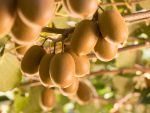
NZKGI Responds to Migrant Worker Exploitation Reports
Where any worker in the kiwifruit industry is mistreated, we expect the authorities to take action.
 increase font size
 Kiwifruit exports rose $105 million (47%) in the year to June 2016 to reach $331 million.
Kiwifruit exports rose $105 million (47%) in the year to June 2016 to reach $331 million, Statistics New Zealand says.
Overall, goods exports rose $109 million (2.6%) in June 2016 (to $4.3 billion).
The June 2016 rise was across all our top kiwifruit export destinations, but particularly Japan (up $55 million) and China (up $39 million). The quantities of kiwifruit exported also rose (up 32%), with gold kiwifruit up 49%, and green kiwifruit up 21%.
"Export values of kiwifruit for the months of May and June 2016 are the two highest on record," international statistics senior manager Jason Attewell says. "Annual kiwifruit exports for the June 2016 year also set a new record – $1.7 billion – up 41% from the previous June year."
Annual exports of all fruit were up $617 million (31%) for the June 2016 year. Apples also contributed to the rise, up $130 million (23%).
The rise in fruit exports eclipsed other rises in export commodities for the June 2016 year, including forestry products (up $250 million), and meat products (up $237 million).
The rise in fruit also helped to offset a fall in annual exports of milk powder, butter, and cheese (down $875 million). Within these dairy exports there were contrasting movements; milk powder was down $1.1 billion (16%), with little change in the quantity exported. In contrast, the values and quantities of butter, cheese, and fresh milk and cream exported were all up in the year ended June 2016.
This release focuses on our goods trade.
Where any worker in the kiwifruit industry is mistreated, we expect the authorities to take action.

Kiwifruit growers are watchful but remain optimistic as concerns around the potential effects of the El Niño weather pattern this season.
More signs of a booming kiwifruit sector.
After delivering a strong financial year, rural trader PGG Wrightson says the coming months will depend on customer confidence and weather.
New Zealand growers have always adapted to changing conditions, but one challenge is steadily gaining ground across the horticulture sector: resistance.



The potato industry is celebrating the success of two rising stars - James Blair, the 2026 Young Grower of the Year and runner-up and innovation award winner, Amber Davy.
Twenty-eight emerging leaders from across the horticulture sector spent two days last month learning valuable skills and connecting with industry experts.
There are five entrants in this year’s Young Horticulturist of the Year, competing in a series of technical, practical, business and leadership challenges.
A seasoned horticulturist has been appointed to deliver the Apple Action Plan, a key initiative of the India-New Zealand Free Trade Agreement.
New Zealand's citrus growers have been told to compete on the value built into their fruit rather than the volume they grow.
Hawke's Bay fruit growers are being reminded of the need to prepare for whatever the El Niño weather system may bring in the coming months.