fbpx
Print this page
Wednesday, 04 April 2018 10:55

Industry support for M. bovis cull

Written by 
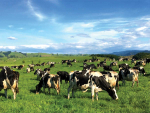
Farmers widely support the decision to cull 22 more herds infected with Mycoplasma bovis. Farmers widely support the decision to cull 22 more herds infected with Mycoplasma bovis.

Farmers widely support the decision to cull 22 more herds infected with Mycoplasma bovis. 

DairyNZ says it supports MPI’s decision to cull all cattle on properties infected with M. bovis. Although this is a hard step for farmers, it is an important move towards eradicating the disease from NZ.

Carol Barnao, of DairyNZ, says this is never an easy decision to make. Removing these animals from the 28 infected properties is considered and sensible, but nobody should underestimate the effect on farmers losing herds they’ve managed for years. 

Kimberly Crewther, of the Dairy Companies Association NZ (DCANZ), welcomes MPI’s confidence that M. bovis is not well established in NZ. The national surveillance has required huge effort and DCANZ is pleased to see it contributing the information necessary for making response decisions.

Beef + Lamb NZ says MPI’s cull decision gives clarity to farmers living with uncertainty. 

BLNZ spokesman Dave Harrison acknowledges the very trying few months endured by the affected farmers -- restricted from trading, bearing extra costs, and suffering worry and anxiety about the future. 

Federated Farmers also supports the decision to cull: president Katie Milne says this will be a huge relief for all drystock and dairy farmers.

More like this

New Dairy Welfare Code Released, Takes Effect 2027

The first major update to the Dairy Cattle Code of Welfare in more than a decade has been released, marking what DairyNZ describes as an important step in ensuring animal welfare standards continue to evolve alongside scientific evidence and on-farm realities.

Featured

Southland Farmers Face Wet Weather Toll, Support Available

Farmers across parts of Southland and South Otago are continuing to deal with difficult conditions after a prolonged run of wet weather, with pressure building around feed supply, stock management, pasture damage, farm infrastructure and everyday workloads.

How Wearable Tech Powers This 1,850-Cow Dairy Farm

For Canterbury dairy farmers Sian Meijer and Rick Wobben, wearable technology has become one of their most valuable on-farm tools - helping manage 1850 cows across an expansive, high-performing dairy operation while improving efficiency, mating outcomes and day-to-day decision making.

New Dairy Welfare Code Released, Takes Effect 2027

The first major update to the Dairy Cattle Code of Welfare in more than a decade has been released, marking what DairyNZ describes as an important step in ensuring animal welfare standards continue to evolve alongside scientific evidence and on-farm realities.

National

Machinery & Products