Beef + Lamb New Zealand Awards 2026 Winners Announced in Christchurch
Last night saw the winners of the 2026 Beef + Lamb New Zealand (B+LNZ) Awards named at a gala dinner at Te Pae Christchurch Convention Centre.
 increase font size
 The wasp on a clover root weevil.
A humble Irish wasp has saved New Zealand almost half a billion dollars, AgResearch estimates.
The estimates also show that the benefits of the introduction of the wasp by AgResearch to control the highly destructive clover root weevil are expected to continue at an ongoing rate of at least $158 million per year.
The total benefit of the biological control programme from 2006 – when the imported wasp was first released in an experimental phase – through to this year is estimated at at least $489m. This is based on reduced production losses on sheep and beef farms, and reduced use of urea fertiliser to compensate for damage from the weevil.
“It’s a fantastic example of how our science is making a real and profound difference to our agricultural sector and economy,” says AgResearch science team leader Alison Popay.
“It’s also a real success story in the continuing battle against pests on New Zealand’s farms.”
The clover root weevil is an invasive pest from the northern hemisphere that feeds on clover. It was first detected in New Zealand in 1996, and such was the damage it could cause, a 2005 study predicted estimated that without control, the weevil could cut farm margins by 10 to 15%..
AgResearch started a research and development programme in 1996, and after testing to ensure its safety, the Irish wasp was cleared for release in New Zealand in 2005. It spread around the country with releases by AgResearch, and as wasps were provided to farmers. The programme research and development costs have been about $8.2 million.
The wasp injects its eggs in the adult root weevil, and the resulting grubs inside the weevil render it infertile. Once fully grown, the grub kills the weevil as it eats its way out. One wasp can kill about 85 clover root weevils.
“The wasp was so successful the team found that it reduced weevil populations by around 90% in monitored areas where the wasp is well established,” Dr Popay says.
The control programme has been supported by DairyNZ, Beef + Lamb New Zealand, Federated Farmers, the Clover Root Weevil Action group, the New Zealand Landcare Trust and fertiliser companies.
A full case study on the programme can be read at http://www.mbie.govt.nz/info-services/science-innovation/performance/system-performance-report
AgResearch provides information and support in the management of pests through the website: www.agpest.co.nz
Last night saw the winners of the 2026 Beef + Lamb New Zealand (B+LNZ) Awards named at a gala dinner at Te Pae Christchurch Convention Centre.
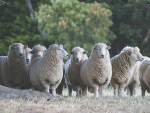
A significant breakthrough in understanding facial eczema (FE) in livestock brings New Zealand closer to reducing the disease’s devastating impact on farmers, animals, and rural communities.
A breakthrough in the understanding of Facial Eczema (FE) in livestock could bring New Zealand closer to reducing the disease’s impact.
An innovative idea for transforming mechanically deboned meat (MDM) into a meat flake for seasoning has taken top honours in the Meat Industry Association’s (MIA) first-ever Dragon’s Den competition.
The Government's plan to merge the seven crown institutes presents exciting possibilities for plant technology company Grasslanz Technology, says chief executive Megan Skiffington.


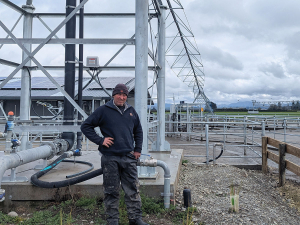
Converting a longstanding cropping farm to dairy was the only way to ensure the land stayed in the family long term, says new dairy farmer Rod May.
As the election heats up, Organics Aotearoa New Zealand (OANZ) has launched its election scorecard designed to help voters wanting to support policies that grow organic and New Zealand's organic sector.
A 'tsunami' of milk from key exporting countries is winding down and this may be good news for New Zealand dairy farmers.
Will the good times last? That's one of the key issues to come out of the latest Federated Farmers confidence survey.
Outgoing Fonterra Co-operative Council chair John Stevenson says that it has been a privilege to represent the co-op's farmer shareholders.
Have a plan in place for your cows and staff.