Record Kiwifruit Harvest Brings Optimism, but Green Growers Face Profitability Challenges
Signs for the 2026-27 kiwifruit crop look good, but there are still some challenges for growers – especially those who produce green kiwifruit.
 increase font size
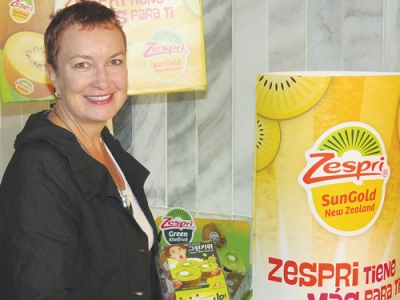 Zespri's Carol Ward.
Harnessing the collective power of the kiwifruit industry is critical to its success, according to Zespri's general manager of marketing and innovation, Carol Ward.
Talking to Rural News ahead of last week's Zespri innovation symposium in Tauranga, Ward says the objective is to ensure everyone in the kiwifruit industry is aware of what Zespri is doing in R&D and innovation. The symposium will tell what Zespri is doing and get feedback on it.
And attendees will hear about what Plant and Food Research is doing and about entrepreneurial test work by growers.
"The connection with the grower is essential. The industry structure and our good communications mechanisms enable us to pass on new lessons to growers. We have a highly engaged grower base... adopting new technology and new practices; so we can meet the consumers' market demands.
"Also, we keep a close eye on consumer needs and desires about the fruit – taste, health properties and convenience aspects. We make sure those signals translate back to the breeding programme and through to the orchards, via the taste programme and other initiatives like that."
Ward says growers understand that Zespri's premium position in the market depends on quality, great-tasting kiwifruit. She sees strong support for understanding the market requirements and how this can be achieved by what happens in the orchard.
"From Zespri's perspective, we have a strong motivation to set our payments back to the growers that reflect those attributes of the fruit, which bring value to the industry. It's about strong grower market alignment," she explains.
There is a long lead time to bring new varieties of kiwifruit to market – 15 years is the norm. And not only does the fruit have to taste right, it has to be commercially viable and have good storage life among many essential attributes. Trying to second guess what the consumer in 20 years may want is a big challenge.
"Zespri invests heavily in consumer insight research and we do qualitative and quantitative research across all of our major markets," she adds.
"We also do testing and home placement and retail trials to try to keep in touch with the consumer.
"Not only in kiwifruit but in fruit generally that is important because we want to grow the share of kiwifruit in the [consumer's] fruit basket."
Ward says though markets differ, the common factor among all consumers is that they vote with their taste buds. Hence the huge effort that goes into producing fruit consumers find irresistible.
"Fundamentally we need to be able to deliver a great tasting fruit. There are secondary matters such as health, nutrition and convenience, the shape and aesthetics of the fruit and many other things."
Ward says in some countries kiwifruit is regarded as a snack while in others it is a dessert. And local fruit make a difference – "mangos in India or apples in Switzerland," she says.
The Zespri goal is to secure a position in the 'food basket' where kiwifruit has a high degree of acceptance and to keep growing volumes of green and gold varieties and, in future, red.
Signs for the 2026-27 kiwifruit crop look good, but there are still some challenges for growers – especially those who produce green kiwifruit.
Westpac NZ has become the first New Zealand bank to receive approval from the Reserve Bank of New Zealand (RBNZ) to secure and leverage kiwifruit growers' Zespri shares.
New Zealand's kiwifruit industry has welcomed Government co-investment in a new five-year programme designed to help growers produce higher yields of premium fruit, with less water, fewer nutrients and reduced environmental impact.
Zespri's sales of kiwifruit for the 2025 season have broken all past records.
Zespri says its global fruit sales revenue has reached a record NZ$5.9 billion from sales of 248.1 million trays.
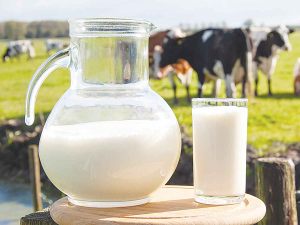
New Zealand dairy farmers are set to be the first in the world to receive access to a new digital physical milk pricing tool that enables them to fix the price for their physical milk.
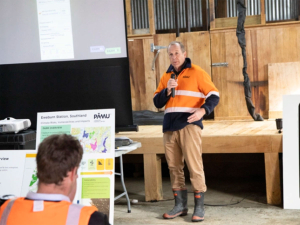
State farmer Pāmu is opening its farm gates this summer in an effort to give the rural sector the opportunity to see how large-scale, multi-system farming is delivering productivity and profitability across New Zealand.
A five-year study has found that the cost of reducing emissions without technology may be significant and unsustainable for Northland dairy farmers.
DairyNZ says Waikato farmers need certainty on Plan Change 1, but they say that certainty must be matched with practical, workable rules and a clear transition that doesn't get ahead of the new resource management system currently under review.
While the Government has moved quickly to make commercial hauliers' lot easier during the current fuel crisis, they appear to be stuck in the creep box when it comes to the agricultural industry.
Waikato farmers have been told that the Government’s new planning system legislation and the region’s Plan Change 1 (PC1) “won’t mesh together very well”.