
Ombudsman issues insurance advice
As storms and flooding continue to batter the East Coast, the Insurance & Financial Services Ombudsman has issued advice for those impacted and looking to claim with their insurer.
 increase font size
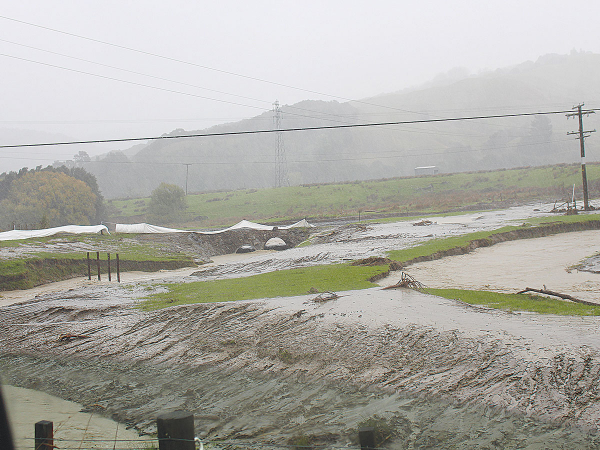 Flooding on the East Coast earlier this year. Photo Credit: Peter Andrew.
The impact on rural residents after back-to-back severe weather events earlier this year has been detailed in a new report.
The report was commissioned by the Gisborne and Wairoa district councils and is the result of 251 interviews conducted by Federated Farmers with support from the Hawke’s Bay Regional Council (HBRC), using funds from the Ministry for Primary Industries (MPI) mayoral relief fund.
Gisborne District Council recovery manager James Baty says the report ensures a combined approach to recovery across both district councils.
He says that for rural residents, access was a huge issue, with the roading network “hammered”.
“We knew these events had severely affected rural properties with multiple issues including stock, feed availability and fence damage,” Baty says.
“This report gives us more detail about where the support is needed, and we’ll be able to priorities those who need it most.”
Wairoa District Council recovery manager Courtney Hayward says the flooding and slipping across Wairoa was extensive, and although some of the damage is out of sight in isolated areas, it is certainly not out of mind.
“This report has helped quantify the severity of the weather events and confirms that recovery will be intense and ongoing.”
Hayward says she thanks everyone who took part in the survey.
“We appreciate your contribution, particularly at such a difficult time when there was so much going on in the aftermath of the weather events.”
Across the 251 properties, the damage was estimated to be around $11m. Of the flood-affected property owners interviewed, 151 were within Gisborne District Council boundaries, with 100 located across the Wairoa District.
In some areas of Wairoa rainfall was recorded at triple the average. In other areas, it was double, with a good portion of sites having March totals the highest on record.
The first event was on 23 March 2022. A State of Emergency was declared across the Gisborne District with the MetService calling it Gisborne’s wettest March in 90 years.
Less than two weeks later ex-tropical Cyclone Fili brought more rain and high winds to an already ravaged region – with flooding, landslides, erosion, and more damage to roads that hadn’t recovered from the previous event.
The cumulative effect of the two events so close together has made the recovery journey “much more onerous” the report said.
Almost half the respondents felt they would have no insurance cover and it was estimated that of the damage caused, only 11.9% would be met by insurance.
The report stated recovery will be costly and time-consuming whilst all the while people will need to continue looking out for each other.
As storms and flooding continue to batter the East Coast, the Insurance & Financial Services Ombudsman has issued advice for those impacted and looking to claim with their insurer.
Federated Farmers Gisborne/Wairoa president Charlie Reynolds says farmers are in need of emotional support after rain, wind and flooding hit the region this week.
Minister for Emergency Management Mark Mitchell says the Mayoral Fund has been triggered, activating $300,000 for regional recovery after severe weather hit the East Coast this week.
Emergency Management and Rural Communities Minister Kieran McAnulty has announced a $2 million contribution to disaster relief funds with the aim of supporting affected communities on the East Coast of the North Island impacted by Cyclone Gabrielle.
It could be late next year before a proposal by the Gisborne District Council (GDC) to add the value of new SunGold licences to rating kiwifruit orchard properties is finally settled in the Court of Appeal.



National’s pledge to introduce 19 new national standards shows the party is serious about getting Wellington out of farming, Federated Farmers says.
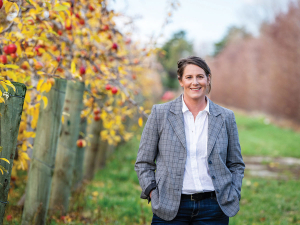
The National Party’s policies to make it easier to grow fresh vegetables, secure reliable water and energy and simplify farm planning are practical changes that will give growers the confidence to invest, according to Horticulture New Zealand (HortNZ).
Fonterra Co-operative Group chief financial officer Andrew Murray has resigned to take up a role outside the dairy giant.
A major move is about to get underway to improve the quality and viability of dairy beef and cattle in NZ.
Veterinarians say changes to the code of welfare for dairy cattle provides a positive foundation for improved cattle welfare across the country.
Today, 15 October, is the International Day of Rural Women, which recognises rural women’s contribution to farming, communities and the environment.