James Blair Named 2026 Young Grower National Champion
James Blair, an agronomist for AS Wilcox and the Pukekohe regional champion, has won the 2026 Young Grower national title.
 increase font size
 HortNZ chief executive Mike Chapman.
Horticulture NZ has assisted Pukekohe vegetable growers to get funding for riparian plantings along the waterways that feed into the Waikato River.
Through the Waikato Regional Authority, the Waikato River Clean Up Trust has approved $57,500 funding for a Whakapipi Tributary Riparian Restoration project. Added to a cash contribution from the growers and in-kind support, including from HortNZ, the amount for the planting project is $101,000.
"This is the highest level of funding from the Trust and is for a significant project," HortNZ chief executive Mike Chapman says.
"It applies to waterways that are unique and locally significant features for the Pukekohe community, and it is the first application related to commercial vegetable cropping land that has been given such funding.
"Riparian planting on the banks of the waterways will improve the ecosystem through shading and habitat improvement."
Several long-term growers will use the funding to enhance riparian land alongside the Whakapipi and Tutaenui Rivers in Pukekohe. There is also a land parcel on the bank of the lower Waikato River that is part of the plan.
Local iwi (Ngati Tamaoho) have been engaged and are supportive, as are Waikato Tainui, seeing the significant potential for improvement of ecological and cultural values associated with water.
The Whakapipi and Tutaenui Rivers suffer from significant fresh water weed growth, which can be reduced with shading. Alongside the cooling and habitat increase provided, this will result in more connected ecosystems and will improve water quality in these tributaries. It is hoped this will also provide improved water quality outcomes and in general, improved quality of water entering the main stem of the Waikato River from these tributaries.
Spokesman for one of the growers involved in the project, Peter Reynolds from T A Reynolds & Sons Limited, says this project will be enhanced by other farm planting initiatives to improve the sustainability of commercial vegetable production, such as catchment scale erosion, sediment control and nutrient management practices. Reynolds says this project will add to existing riparian plantings and stream protection that has already been done.
"The grower community in Pukekohe provides a significant contribution to domestic food production in New Zealand. Continued production will need to demonstrate that outcomes for food security are compatible with improved water values," Chapman says.
James Blair, an agronomist for AS Wilcox and the Pukekohe regional champion, has won the 2026 Young Grower national title.
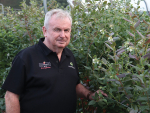
Blueberries have the potential to become a major horticultural export, earning up to $150 million within the next three to five years.
OPINION: Mike Chapman, former chief executive of levy-funded HortNZ, has thrown out a challenge to farmers and growers to put their levy-funded industry organisations under the same scrutiny as fertiliser, electricity, labour and freight.
New Zealand needs to make sure that it continues to focus on its own food security, according to HortNZ board member and blueberry grower Dermott Malley.
According to a progress report on the Aotearoa Horticulture Action Plan (AHAP), New Zealand's horticulture sector is making real progress on the big issues facing growers.


Most dairy regions around the country have had a pretty good season so far says Tracy Brown.

Rural leader Mark Hooper has been appointed as an independent director to the NZPork board, bringing extensive farming, governance and advocacy experience to the role.
Opportunity says its land value tax (LVT) is unlikely to force farmers into a position where asset sales or increased debt are required.
Milk powder prices are keeping farmgate prices up, helping processors offset the dip in milk fat prices.
Climate, nature and animal wellbeing make up Fonterra's refreshed sustainability roadmap released last week.
The Government is introducing a new nationwide rural recycling scheme that will significantly increase the recovery of farm plastics from March next year, Minister for the Environment Nicola Grigg announced today.