Four Candidates Confirmed for Fonterra Board Election
Four candidates have been confirmed for two director positions on Fonterra’s board.
 increase font size
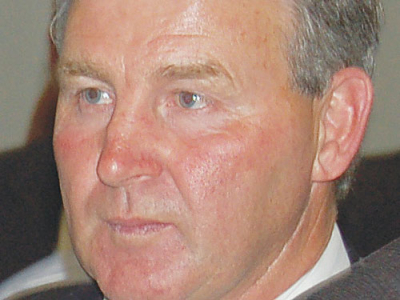 Fonterra director John Monaghan.
Fonterra converted 4.9 billion liquid milk equivalents (LMEs) into higher returning products in the first quarter of the financial year, says director John Monaghan.
“That is 380 million LMEs more than last year,” he told the Northland Dairy Development Trust annual meeting.
LME is a standard measure of the milk quantity used to manufacture dairy product such as powders and cheese, based on the fat and protein used in the end product, he explained.
“The volume we have to supply to competitors under the Dairy Industry Restructuring Act is reducing, so instead of handing it over to them virtually at cost we are able to add value to those volumes ourselves,” he says.
“We have reduced the volume sold on the Global Dairy Trade platform which enables us to achieve better margins.
“In ingredients we are growing value to make full use of our capacity to switch production to highest returning products. Food service growth continues so we are sending higher volumes of milk into higher value products such as cream cheese for bakeries, slice-on-slice cheese, mozzarella for fast food chains and speciality creams for restaurants. We have sent one billion additional LMEs into consumer service in the last two years.”
Dairy has a natural affinity in all these three areas and the Anchor Professionals brand brings together all Fonterra’s products.
“We offer a network of specialist chefs and application kitchens so food professionals can use, taste and understand our products and how they can use them profitably,” Monaghan says.
“Many are developed for professional kitchens, such as the creams that won’t split at high temperatures, pre-grated mozzarella or pre-sliced cheese for burgers. We expect to be selling one million tonnes of dairy products to the food service sector by 2023 and those products will absorb over 20% of our New Zealand milk pool.”
It is important to recognise the scale of this business, he says.
“In the last financial year in ingredient exports we supplied 3.5b LMEs -- of the total [worldwide] demand of 6b -- and 80% of that volume came from NZ milk.
“In consumer and food services, growth volumes are significant. They have gone from volumes of 0.4b LME in 2013 to 1b last year. The market opportunity sits at 30b LME.”
In the 2016 financial year consumer and food service volumes grew 48% in greater China.
“We are also growing in advanced nutrition with products like Anmum.”
Fonterra has its own farms in China in two hubs which will ultimately produce 400m LMEs.
Currently the milk produced is sold on contract but in future more volumes from the farms will flow through to its own products in a vertically integrated business.
China’s own milk production is significantly smaller than demand.
“So opportunity remains for both exports to and sales in that market. We expect that gap will widen over the next decade and that represents more opportunity,” he says.
Four candidates have been confirmed for two director positions on Fonterra’s board.
A record farmgate milk price and strong global demand is laying the foundation for continued growth of organic dairy farming in New Zealand.
Waikato milk processor Tatua has again declared a record milk payout to farmer shareholders, leaving other processors in the dust.
Fonterra has unveiled its annual results for the 2026 financial year, posting $27 billion in revenue and close to $20 billion returned to New Zealand farmer owners and unit holders.
Fonterra Co-operative Group has confirmed the independently assessed candidates standing for election to its board in 2026.


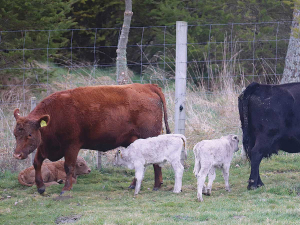
A major move is about to get underway to improve the quality and viability of dairy beef and cattle in NZ.
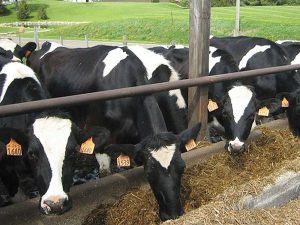
Veterinarians say changes to the code of welfare for dairy cattle provides a positive foundation for improved cattle welfare across the country.
Today, 15 October, is the International Day of Rural Women, which recognises rural women’s contribution to farming, communities and the environment.
Global dairy giant Lactalis has integrated its Australian operations with the Mainland Dairy consumer business it acquired from Fonterra earlier this year.
After almost two decades of sharemilking, saving and building equity, Aaron and Marcia Flay this year realised their long-held dream of settling on their first dairy farm.
Good medium to long term prospects for NZ beef, especially in the US, has heighted the focus on various initiatives to capitalise on this situation.