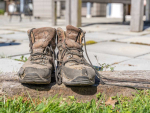
#BootsOfShame: Safer Farms Urges Farmers to Check Footwear
Safer Farms is urging farmers to make sure everyone working on farm has safe, suitable footwear for the job.
 increase font size
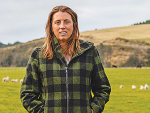
 Lindy Nelson
As the sector heads into the traditional peak period for injuries and fatalities, farmers are being urged to "take a moment".
Safer Farms, the industry-led organisation dedicated to fostering a safer farming culture across New Zealand, is encouraging farmers to pause, think through a plan, share it with others and set the job up right before getting underway.
“Summer’s always busy, and this year is no different,” says Lindy Nelson, farmer and chair of Safer Farms.
“For the first time in several years, many farmers are generating a cash profit. Red meat and dairy prices are stronger, and now is the time to invest in the things that keep us safe, strong, and resilient, whether that’s crush protection devices, improved systems, or simply better planning.
“Many farmers know the dreadful feeling when they hear of a serious injury or fatality involving a farmer in their area.
“On top of that, some farmers on the east coast of both islands are dealing with dry conditions, while others in the South Island are still repairing storm damage.
“Add into the mix family and visitors arriving home for the holidays and long days in the lead-up to Christmas, and it becomes even more important to take a moment before starting a job.”
Nelson says the impact of losing someone on farm is felt across families, businesses, and rural communities for years.
“We all want to be celebrating Christmas together, so now’s the time to think about what we can put in place to make this year different.”
ACC data show the average time away from work following a serious vehicle-related farm injury is 82 days, time that places pressure on families, finances and the wider farm operation.
“Many farming businesses are already stepping up,” says Nelson.
“Some have invested in new technology and crush protection devices to design out risk, while others have strengthened visitor and induction processes to ensure people can get where they need to go safely.
“More farms are also building simple ‘stop and think’ moments into the day so plans are shared, risks are understood and everyone knows who is around them.
“These aren’t big or complicated changes. It’s about taking a moment and asking: what’s happening today? What’s changed? Who’s around? And am I, or the people I’m working with, tired, stressed or stretched too thin?”
With young people home for the holidays and visitors unfamiliar with farms, Nelson says checking in with each other, making sure the right gear is being used for the job, and supporting someone who is fatigued can make all the difference.
“Farming is demanding, and nobody understands the risks better than farmers themselves,” says Nelson.
“This is simply a reminder that the moments we take now to plan, to share and to check in, are what help ensure we all get through the summer safely.”
Safer Farms is urging farmers to make sure everyone working on farm has safe, suitable footwear for the job.
Improving health and safety is about incremental gain rather than a sudden decision, says Leeston farmer and Federated Farmers health and safety spokesman David Birkett.
A huge reduction in ACC claims from on-farm accidents over the last five years is due to thousands of small, practical decisions being made in sheds, yards, paddocks and around kitchen tables across the country, says Safer Farms ambassador Lindy Nelson.
Lindy Nelson, Safety Farms ambassador, has been named the winner of the Leadership category at the 2026 New Zealand Workplace Health and Safety Awards in Auckland.
A safety push across New Zealand has revealed significant gaps in hazardous substances management, farm vehicles, tractors, quad bikes and side-by-sides.


During the nesting season, from September to December, industrious starlings can quickly build nests in the darker areas behind tractor and vehicle, usually close to hot engines, typically resulting in localised damage or in some cases complete write-offs.
The meat processing industry is much more collegial than it was in the past and is now more focused on common goals.
With the last couple of months having seen some potential tractor purchases put on hold with the impending election and continued input cost rises, year-to-date figures, ending September, has seen deliveries up around 5% over the same period in 2025, with a total of 2026 units.
Beef+Lamb New Zealand is calling for nominations for director roles in the Northern South Island and Northern North Island electoral districts.
Fonterra chief executive, Richard Allen says being resilient has helped the dairy industry overcome extreme volatility in recent years.
The head of the Ministry for Primary Industries (MPI) trade and international relations group says New Zealand is well-positioned to secure trade access and compete internationally as the world becomes more complicated, demanding and uncertain.