Fonterra Elections 2026: Voting Opens Tuesday 20 October
Fonterra shareholders can begin voting on Tuesday 20 October in the 2026 Board of Directors’ election, a Co-operative Council election in one Ward, and seven Annual Meeting resolutions.
 increase font size
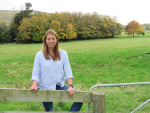
 Fonterra farmer Richard Dampney claims there is “a serious disconnect” between the co-op’s farmer shareholders and its board.
A Fonterra farmer claims there is "a serious disconnect" between co-op shareholders and the board.
Kaikohe farmer Richard Dampney says a proposal to reduce the number of farmer-elected directors will only make this worse.
Dampney has submitted four resolutions to Fonterra shareholders around the composition of the co-operative board. The resolutions, along with the notice of Fonterra's annual general meeting, were sent to farmer shareholders last week. Voting is underway and results will be annoucned at the co-op's annual meeting in Methven on November 9.
Fonterra's board is asking farmers to vote against Dampney's resolutions and says the Fonterra Co-operative Council also opposed them.
Dampney wants the number of elected farmer directors to remain at seven and for non-elected farmer directors to reduce from four to two.
Fonterra's board currently has seven farmer-elected directors and four appointed directors. The board is proposing a reduction in the board size - from eleven to nine with farmer-elected directors reducing to six and appointed directors to three.
However, Dampney wants the number of farmer-elected directors to remain at seven.
In support of his resolutions, he stated that farmers are "feeling ignored, disenfranchised and have a serious disconnect from the board".
"Less farmer directors will only make this worse. Talk of a smaller board takes away the risk of an 'A & B division' within the board, that only happens because the chairman is not doing his job in keeping everyone all inclusive," Dampney claims.
"The board has already been reduced once and appeared to be harmonious at the present size. Personally, I would like to see a board of nine farmer-elected directors with no independent directors on the current three-year rotation, the board does not perform a third of the board find out real quick at the next election."
Dampney claims appointed directors are "traditionally conservative and support the chairman, don't rock the boat and don't make any hard decisions".
"They come from a school of so-called professional directors who have found a way of getting their free lunches without having to make any tough decisions and get their egos scratched at the same time. If the board needs specialist advice or knowledge, it’s not hard to buy.”
Another of Dampney’s resolutions wants former Fonterra farmer-elected directors to be allowed to serve as appointed directors after a stand down period. He says there are some very good directors and shareholders who in the past have resigned “because of things that have happened”.
Dampney’s final resolution wants the independent assessment panel that vets director applicants and provides a report to shareholders to be scrapped.
He says Fonterra shareholders are reasonably intelligent and can make up their own minds and sort the wheat from the chaff.
“We do not need Fonterra telling us who to vote for via their so-called independent panel.”
However, in the notice of meeting to shareholders, the board says it doesn’t wish to change the current balance between elected directors and appointed directors.
It claims that appointed directors currently fulfil several key roles on the board. “Only having two would significantly increase their workload and potentially risk Fonterra being unable to attract and desirable candidates.”
Fonterra shareholders can begin voting on Tuesday 20 October in the 2026 Board of Directors’ election, a Co-operative Council election in one Ward, and seven Annual Meeting resolutions.

Fonterra Co-operative Group chief financial officer Andrew Murray has resigned to take up a role outside the dairy giant.
Four candidates have been confirmed for two director positions on Fonterra’s board.
A record farmgate milk price and strong global demand is laying the foundation for continued growth of organic dairy farming in New Zealand.
Waikato milk processor Tatua has again declared a record milk payout to farmer shareholders, leaving other processors in the dust.

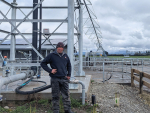
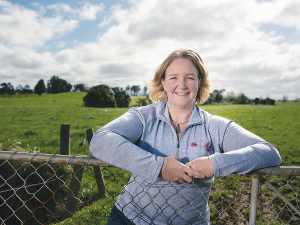
Farmers are being encouraged to rethink how they manage waste on farm with the launch of ruralwastesorted.co.nz, a new website bringing together practical tips, real farmer experiences and resources.

New Zealand Winegrowers (NZW) is celebrating the India-New Zealand Free Trade Agreement (FTA) coming into force today, bringing New Zealand wine improved access to one of the world’s fastest-growing economies.
New Zealand’s red meat sector has welcomed the India-New Zealand Free Trade Agreement taking effect, which removes India’s 33% tariff on New Zealand sheepmeat.
More than 95 per cent of New Zealand’s forestry and wood exports to India can now enter tariff free as the New Zealand-India Free Trade Agreement comes into force today.
Federated Farmers is backing Feilding High School’s call to keep Agriculture and Horticultural Science as a standalone subject in Year 11.
Food and fibre exports have returned a billion- dollar bonus to the country.