Early Weaning Lambs: What the Massey Trials Found
Farmers with high-quality feed available in late spring could consider weaning at least a proportion of their lamb crop early to benefit both lambs and ewes.
 increase font size
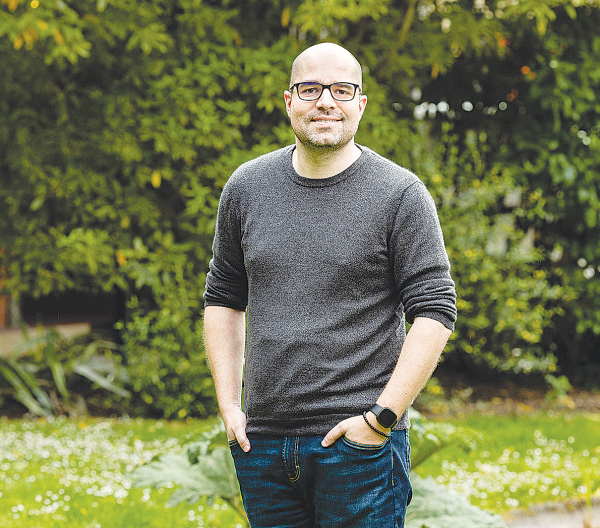 AgResearch senior scientist Andre Mazzetto.
Beef produced from cattle from New Zealand's dairy sector could provide reductions in greenhouse gas emissions of up to 48, compared to the average for beef cattle, a new study by AgResearch has found.
The Life Cycle Assessment analysis by AgResearch scientists, supported by the Bioresource Processing Alliance and in partnership with organisations such as Fonterra and Alps 2 Ocean Foods, shows using fast-finishing systems with dairy-beef animals results in a carbon footprint that is 32-48% lower than the average for traditional beef systems in New Zealand.
Farm data from the beef and dairy industries was used in the analysis, which was based on kilograms of carbon dioxide equivalent emissions per kilogram of finished liveweight of the animals. Scenarios were analysed for dairy-beef steers processed between 10 and 18 months of age and include emissions from animal production, input generation, transportation, and background processes.
"There are many issues at play in determining those emissions and the differences between the dairy and beef animals," says AgResearch senior scientist Andre Mazzetto.
"These include how emissions are allocated between milk and liveweight, and issues such as growth rates, feed efficiency and the finishing period/time to slaughter of the animals," he says.
"This work points to tangible ways that farmers can reduce the carbon footprint of their beef herds.
"Emissions reductions can be achieved simply by integrating dairy-beef animals into the herd, but the scope of this reduction can be significantly increased with fast-finishing beef systems. There would be few tools or management strategies available which can have such significant climate impact.
"Sourcing calves from the dairy industry presents an opportunity for the beef industry to significantly reduce its emissions, as well as a providing an alternative use for calves from the dairy industry. There are efforts underway to find new avenues for use of these young dairy-beef animals, such as Alps 2 Ocean Food's Miti product made from the meat. However, we recognize there are also management and logistical challenges for the industries to overcome, including the finishing and processing of these animals."
Fonterra's director of sustainability Charlotte Rutherford says Fonterra's focus in this space is on creating more options for dairy-beef calves.
Alliance Group general manager livestock and shareholder services, Murray Behrent says the study findings make a significant contribution to the New Zealand red meat sector's efforts to reduce greenhouse gas emissions.
Vast Potential
Daniel Carson, founder of Alps2Ocean Foods, says the study highlights the vast potential of low-carbon beef protein derived from non-replacement dairy calves.
"Miti is just the beginning - a proof of concept for how surplus dairy calves can be transformed into high-value, low-carbon products. We're excited about the possibilities this protein unlocks for other use cases, as innovators step up to add value and create impactful brands right here in Aotearoa."
Pamu also contributed to the study, and chief executive Mark Leslie says Miti is an example of an innovative end-to-end approach driving New Zealand's methane reduction goals.
"The benefits of processing the animals within one year avoids challenges associated with wintering and significantly contributes to a lower emissions profile and farming more sustainably. This aligns with our dairy and beef strategy to find new markets for surplus calves and meets our goals of lowering methane emissions and supporting a more efficient and sustainable agricultural sector."
Farmers with high-quality feed available in late spring could consider weaning at least a proportion of their lamb crop early to benefit both lambs and ewes.
The first major update to the Dairy Cattle Code of Welfare in more than a decade has been released, marking what DairyNZ describes as an important step in ensuring animal welfare standards continue to evolve alongside scientific evidence and on-farm realities.
Bovine Viral Diarrhoea (BVD) is sometimes viewed as a dairy industry issue, but the reality is that the disease can have serious consequences for beef breeding herds as well.
Animal health company Bovonic is gearing up for its next stage of growth after increasing New Zealand sales of QuadSense by more than 50% in the last 12 months, including a record quarter for the business this year.
With lambing underway in many regions, Beef + Lamb New Zealand is encouraging farmers to put together a wellequipped lambing kit to help minimise lamb losses, particularly in bad weather.



Federated Farmers has welcomed new rural policies released by ACT, saying they align closely with its own election priorities.

Rural Contractors NZ says proposed changes to land transport rules for agricultural vehicles are a welcome response by the Government to out of date regulations which have seen members hit with huge fines.
Alliance is calling for final applications for its 2027 Graduate Programme, with applications closing on Sunday 25 October.
Decades piloting planes has ensured vet and farmer David Hayes is focused on safety. So, after a serious accident while welding on farm, he is sharing his experience so others can learn from it.
Canterbury milk processor, Synlait Milk has confirmed Leon Fung as its chief executive officer.
OPINION: Making it easier to collect rainwater and use it to grow crops and livestock is a no brainer.