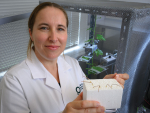
Wired for Science: Understanding the feeding habits of mealybug
Fussy children might be frustrating, but fussy mealybugs could help protect the New Zealand wine industry from grapevine leafroll-associated virus 3.
 increase font size
 Michelle Thompson.
Stresses on rural people may have increased due to the cumulative effect of various pressures over the last few years in farming.
So says Michelle Thompson, chief executive of Rural Health Alliance Aotearoa New Zealand (RHANZ).
“Maybe we are moving into a new norm -- financial shocks, global shocks, weather bombs, earthquakes; it is one after the other and people often haven’t got over the first one,” she told Rural News.
“Unusual right now is the cumulative impact of adverse events facing rural families, particularly those deriving a income from the land.
“Most people can deal with one or two major events, but when they are all back to back that is where pressure is building.”
Thompson says it is impossible to get a good overall picture of this until there are better official definitions of rural and rural facilities.
“What is a rural health service as opposed to an urban health service for instance? And then if we start comparing rural health outcomes against urban health outcomes we might start seeing the difference we believe exists.”
An example is that Ministry of Health figures on rural suicides compared to urban suicides run three years behind.
RHANZ works with the Rural Support Trust. Neil Bateup, chair of the Waikato trust and the national network, reported to the board before Christmas an increase in calls to the trust of a “wellness” nature – a shift from the usual onfarm or financial calls.
“He commented that quite a few men have picked the phone up and said they are generally not in a good place and they are feeling a bit overwhelmed,” she says.
“That is a really good thing: we have been trying to get people under pressure to pick up the phone and talk about it.
“It looks like that is happening; our problem is if they need clinical intervention do we have the clinical workforce to help? We are trying to upskill even though we know we haven’t got enough bodies in the workforce, but those we have we are trying to upskill in suicide prevention strategies.”
Under contract to the Ministry of Health, RHANZ is funded to run advanced suicide prevention training programmes for rural health and social service professionals.
Feedback from earlier programmes showed more training was needed on how to manage a patient who could be at risk of suicide. RHANZ is now halfway through providing 20 workshops offering that training.
“We have been inundated; we’re oversubscribed for these workshops. We aim to have about 30-40 people in these workshops and for some we’ve had 70 or 80 people register and we haven’t been able to meet that demand.”
Thompson says they still hear that people are having trouble accessing health services, particularly counselling.
“We don’t have any hard data on this because of issues we’ve raised before about who is a rural person or what is a rural health facility.
“A lot of our evidence is anecdotal but I would say access to counselling same day or next day in rural NZ is pretty difficult.
“From what I hear about what is happening in urban centres, it is the same there as well.”
NZ has fundamental problems with mental health and addiction services, she says. This is why the government is commissioning the Mental Health and Addiction Services Inquiry, with a panel of five due to report back late 2018.
“I hope rural is considered. I think we will be seeing a whole lot of gaps and issues and we need policies to stem those gaps.”
Fussy children might be frustrating, but fussy mealybugs could help protect the New Zealand wine industry from grapevine leafroll-associated virus 3.

Let's hope there’s truth in the talk of a funding reprieve for the rural health body Rural Health Alliance Aotearoa NZ (RHAANZ).
The Rural Health Alliance (RHAANZ) seems promised a reprieve, and is now looking at restructuring rather than ‘hibernation’.
New Zealand’s umbrella rural health organisation will move to shut down if it does not receive government funding next week.
Sorting health issues will help improve the safety of rural communities, says Rural Health Alliance Aotearoa New Zealand chief executive Michelle Thompson.


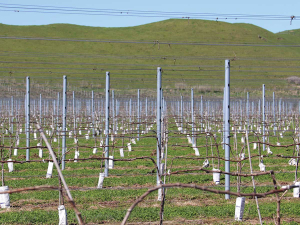
Hawke's Bay fruit growers are being reminded of the need to prepare for whatever the El Niño weather system may bring in the coming months.
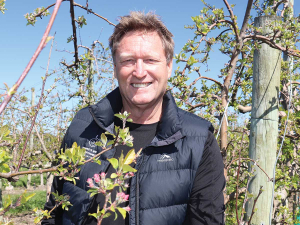
Three and a half years on from when Cyclone Gabrielle hit Hawke's Bay, some orchardists in the region are still receiving counselling to help them deal with the trauma they suffered.
South of the central Hawke’s Bay town of Waipukurau is Taniwha Station – a highly successful 550ha bull beef farming operation.
Beef + Lamb NZ funded research has shown that some simple changes to pasture management could help farmers make better use of rainfall and build resilience before dry conditions hit.
OPINION: There could hardly be a more appropriate theme for a conference than the one chosen by the red meat sector - Navigating Volatility.
When Northland leather worker Vernon Suckling started making horse saddles 50 years ago, quad bikes and side-by-side vehicles were unheard of.