Rural midwives are moving to virtual or phone consultations amid the COVID-19 pandemic.
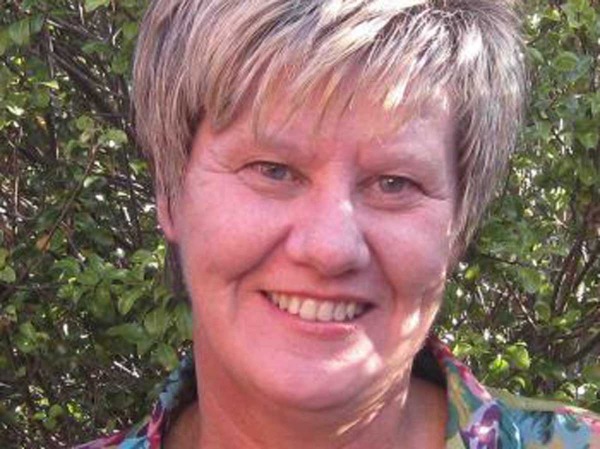
NZ College of Midwives advisor Jacqui Anderson says rural midwives are still providing care and are still the first point of contact, but they are moving to more virtual or phone consultations.
“They will be providing midwifery advice and some appointments. It will just look a bit different,” she told Rural News.
Information will be gathered by in virtual or phone conversations first and then the midwife and the woman will decide whether a face to face visit is required.
“Following the COVID-19 requirements that face-to-face visit will be quite short and only to do the required physical hands-on assessment. The rest of the information will be gathered and shared in a virtual or phone consultation either just before or after the face to face.”
There may not be as many face-to-face visits. There will still be contact with their midwife and if they need referral either when they are pregnant or during their labour and birth then that will happen.
All previous facilities available for births are still available.
“The only difference is women who have – or are suspected of having – COVID-19. The small birthing units all over the country are not set up for isolation care so those women will have to go to hospital.
“Those are for people who have been diagnosed, or have symptoms or have been in contact with the disease.”
The majority of women will have their midwifery care by the known midwife. If they do have COVID-19 or significant risk factors for it then they will be required to give birth in a hospital and the hospital team will look after them. That is no different for urban or rural women.
Anderson says there is no evidence of mother to baby transfer of infection. “So if somebody feels they might have been exposed there is no evidence that the virus is in the fluid around the baby or in the placenta at this point.
“And definitely they have not been finding it in breastmilk, so women are encouraged to continue the usual interaction with the baby.
“If at any time they feel unwell with some kind of flu-like symptoms they should ring the health line and get advice and inform their midwife.”