Inside the Southland Dairy Farm Where Robots and Pasture Work Together
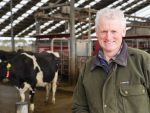
In Dacre, near Invercargill in New Zealand’s South Island, Bruce Dinnington is running a dairy operation unlike any other.
 increase font size
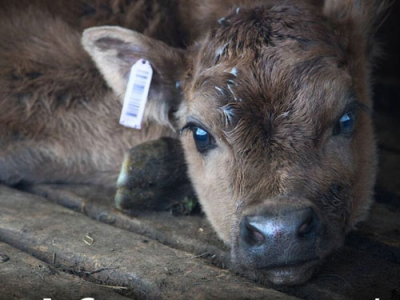 New animal welfare regulations will come into effect on 1 October 2018.
Forty five new animal welfare regulations will come into effect on 1 October 2018.
Ministry for Primary Industries (MPI) director for animal health and welfare, Dr Chris Rodwell, says the new regulations cover a range of species and activities from stock transport and farm husbandry procedures to companion and working animals like dogs and horses.
"With under a month to go until these new regulations come into effect, we want to encourage people, who are responsible for any type of animal, to check they are up to date in how they are looking after them," says Rodwell.
"Our team has been working with industry and sector groups to raise awareness of the regulations and ensure people understand and can meet their responsibilities.
"Most New Zealanders already care for their animals well, so if you're already doing the right thing, you won't see a lot of change.
"The majority of the regulations reflect existing standards, but there are a few that do set new rules and requirements, such as prohibiting the tail docking of cows and dogs.
"Even if you already think you are doing the right thing, it's best to check and make sure you are."
One of the main changes is that the new regulations will make it easier for MPI and the SPCA (Society for the Protection of Cruelty to Animals) to take action against animal mistreatment.
"These regulations will allow us to better respond to lower levels of offending, and target specific behaviours that need to change,
"For example, if people allow their animal's horns to become ingrown, they can be fined $500. We will continue to prosecute the worst offenders under the Animal Welfare Act".
In developing the regulations, current science, good practice, and the views of submitters were taken into consideration.
In Dacre, near Invercargill in New Zealand’s South Island, Bruce Dinnington is running a dairy operation unlike any other.

Rural leader Mark Hooper has been appointed as an independent director to the NZPork board, bringing extensive farming, governance and advocacy experience to the role.
Climate, nature and animal wellbeing make up Fonterra's refreshed sustainability roadmap released last week.
B+LNZ's Wormwise veterinarian Mary Bowron has won the Best Sheep and Beef Vet of the Year Award in recognition of her outstanding contribution to New Zealand’s sheep and beef sector.
With lambing underway in many regions, Beef + Lamb New Zealand is encouraging farmers to put together a wellequipped lambing kit to help minimise lamb losses, particularly in bad weather.


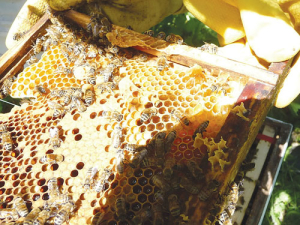
New Plymouth-based Manuka honey exporter Egmont Honey has completed its acquisition of Taihape beekeeping business Tweeddale's Honey, with settlement finalised on Friday, 18 September.

Westpac NZ is calling on farmers and growers to start preparing now for the possibility of a dry summer, as likely El Niño conditions raise the risk of drought across parts of the country.
Fonterra Co-operative Group has confirmed the independently assessed candidates standing for election to its board in 2026.
Fonterra has revised its Farmgate Milk Price forecast for the 2026/27 season, lifting the midpoint and narrowing the range on the back of improving global dairy commodity prices.
New Zealand's citrus growers were challenged to build their future on the value embedded in their fruit rather than the volume they produce, at Citrus New Zealand's annual gathering in Gisborne on 17 September.
Leading John Deere technicians and apprentices from New Zealand and Australians were recognised at the recent sixth annual JD Technician of the Year Awards, held in Brisbane.