New Research Reveals How Kiwis Really Like Their Hot Chips
New nationwide research has revealed exactly how Kiwis like to enjoy hot chips, with a simple sprinkle of salt coming out on top.
 increase font size
 NZ potato growers want duties imposed on frozen potato imports coming in from Belgium and the Netherlands.
New Zealand potato growers want duties imposed on frozen potato imports coming into the country from Belgium and the Netherlands.
Growers’ organisation Potatoes NZ (PNZ) has applied to the Ministry of Business, Innovation & Employment to consider the anti-dumping move, claiming a ‘real threat of material injury’ to the New Zealand potato industry. It believes the situation has arisen due to the Covid-19 global pandemic causing supply chain disruption in hospitality industries worldwide.
“The threat is a result of huge surplus inventories of frozen potato products and processing potatoes in Belgium and the Netherlands,” PNZ claims.
“The surpluses, combined with the support the European industries are receiving from their governments, will drive export prices down further, increasing dumping margins and threaten the New Zealand industry.”
According to its own analysis, PNZ claims current ‘dumping margins’ are anywhere between 95% to 151%.
“We expect these margins to increase. This will lead to price undercutting for the NZ products of between 18% and 38%. The damage this will cause will destroy the NZ industry,” it claims.
Meanwhile, a recent report commissioned by PNZ – ‘Economic and Community Impact Report’ – by researchers BERL, claims that in the absence of a duty, potato processors would be forced to cut production and demand for potatoes from NZ growers would drop.
“Inevitably, this would lead to a loss of employment and a threat to the viability of some potato growing businesses.
“The imposition of an anti-dumping duty on dumped imports of frozen potato products, would help to maintain demand for New Zealand grown potatoes, and ensure the continuity of employment and business in the growing sector,” it claims.
“A duty would mean that the potato growers would experience the same market conditions, including competition between themselves and fluctuations in market prices, as they did before the dumping occurred.”
New nationwide research has revealed exactly how Kiwis like to enjoy hot chips, with a simple sprinkle of salt coming out on top.
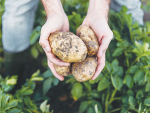
OPINION: As we look back on the past year, I am proud to reflect on the remarkable progress and achievements that have defined our success.
Regulation changes, future proofing the industry and ensuring fair returns are some of the challenges facing potato growers, according to Potatoes New Zealand chief executive Kate Trufitt.
A New Zealand developed and manufactured nitrogen efficiency booster is growing in popularity in China where it is used to improve potato crop production.
Like most vegetables, potatoes need healthy cropping soils.



Federated Farmers says it welcomes Labour's commitment to reviewing the Sharemilking Agreements Act, calling on other major parties to do the same.
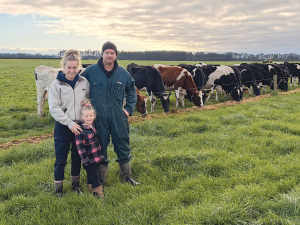
For Canterbury dairy farmers Sian Meijer and Rick Wobben, wearable technology has become one of their most valuable on-farm tools - helping manage 1850 cows across an expansive, high-performing dairy operation while improving efficiency, mating outcomes and day-to-day decision making.
Fonterra has unveiled its annual results for the 2026 financial year, posting $27 billion in revenue and close to $20 billion returned to New Zealand farmer owners and unit holders.
The first major update to the Dairy Cattle Code of Welfare in more than a decade has been released, marking what DairyNZ describes as an important step in ensuring animal welfare standards continue to evolve alongside scientific evidence and on-farm realities.
Ravensdown shareholders have elected Jane Montgomery and Kate Acland to the Ravensdown Board for three-year terms, following a closely contested director election.
Federated Farmers says new legislation replacing the Resource Management Act will cut red tape, unlock investment and help grow New Zealand's export-led economy, after the Planning Bill and Natural Environment Bill passed their third reading in Parliament yesterday.