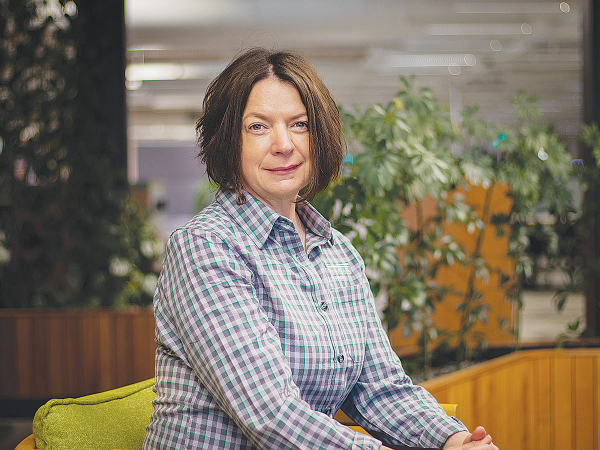
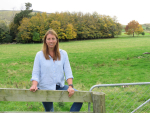
Farmlands chief executive Tanya Houghton admits that the rural retailer is making a number of changes to its business model.
However, she told Rural News it is all aimed at making the co-op the number one rural buying group in the country.
"The purpose of the co-op is to offer our farmer customers and shareholders the best value we can for the products they need," Houghton explains. "The model we have been operating is cost heavy and unless we change how we buy products and deliver to farmers we will become obsolete."
She admits that Farmlands is making changes to the number of items stocked in its stores - downsizing from 45,000 to 9,500 - but says this is not about lessening competition but getting better value for customers.
"Scale is needed to buy stock at the best prices for farmers and scale means direct sourcing and providing better value for our customers."
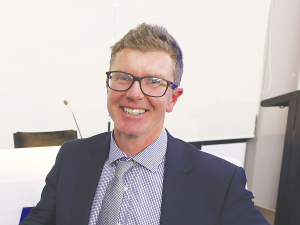
Chief merchandising officer Chris Fisher told Rural News holding so much stock was costing farmers. He gave an example of the co-op stocking 12 different types of mouse traps, which he says was clearly inefficient.
"As a buying group we need to ensure that we offer our customers the best products at the best prices and to do this there needs to be some consolidation of stock."
Despite admitting that the co-op was consolidating its stock, both Houghton and Fisher say if a farmer wants a particular brand or product that is not in store, Farmlands can still secure it for them.
"It just means that it may not be available instantly and the price will not be as good as the product in store," Fisher adds.
Houghton says data is used in Farmlands deciding which products to stock and at what stores. She added that the co-op had invested $90 million in software to help with making these decisions.
"It is a more sophisticated and efficient way of buying and means we are offering farmers the products they want at the best prices," Fisher adds. "It's a mix of art and science based on fact-sourced data."
On the subject of 'rebates' paid by suppliers to Farmlands, Houghton says this is no secret and all part of normal supplier and retailer relationships.
She denies it means the customer paying more for products and bigger margins for the co-ops.
Houghton says the co-op will be running roadshows around the country from December to March to better explain to farmers and shareholders its changing business model.