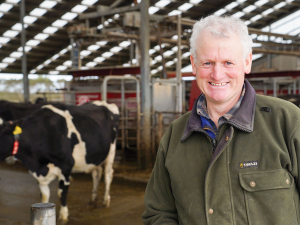
NEW ZEALAND'S DAIRY cattle number increased slightly over the last year, to reach 6.6 million, Statistics New Zealand says.
This continues increases each year since 2006, and means there are now more than 1.5 dairy cattle for every New Zealander.
"Compared with recently released population census figures over the same seven-year period, the dairy cattle population has grown over five times faster," agriculture statistics manager Hamish Hill says.
While the increase over the last survey year appears more modest than increases in the previous two survey years, longer-term growth has seen the dairy herd grow by about 27% since 2006.
"If New Zealand's human population had increased at the same rate there would now be more than five million Kiwis," Hill says.
Other livestock numbers showed slight declines in 2013, again continuing long-term trends seen in recent years. For example, the number of sheep fell 358,000 from 2012, with the national flock now standing at just under 31 million.
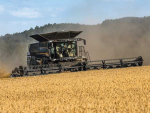
Most arable crops had good yields due to the long dry summer. The yield per hectare for wheat and barley both increased 4% from 2012.
These provisional figures are from the 2013 Agricultural Production Survey, which was conducted in partnership with the Ministry for Primary Industries.
This release covers key livestock numbers, arable crops, and forestry harvesting and planting information. Final results, including more detailed commentary and regional statistics, will be available in May 2014.