Kiwifruit Growers Prepare for El Niño, Stay Optimistic
Kiwifruit growers are watchful but remain optimistic as concerns around the potential effects of the El Niño weather pattern this season.
 increase font size
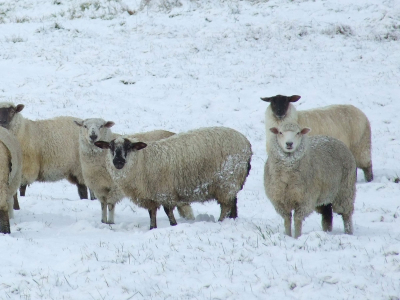
With winter setting in, farmers are being reminded to keep an eye on animal welfare.
The Ministry for Primary Industries (MPI) wants pastoral livestock farmers to be aware of their animal welfare responsibilities, whether animals are kept at home or sent off-farm to graze.
“This time of year can be challenging for farmers, with wet and muddy conditions increasing risks to the welfare of their livestock,” says Kate Littin, manager animal welfare.
“Many farmers, particularly in Southland and Otago, choose to break feed stock on crop over the winter months. It’s a great way to provide food for animals and protect pastures, but does require careful planning and good stockmanship to avoid welfare risks that wet weather can bring.”
New Zealand’s codes of animal welfare require livestock to have access to areas free of surface water and mud, and appropriate shelter from adverse weather.
Animals will refuse to lie down on wet ground and can then become stressed, stop eating and are more susceptible to lameness, Littin says.
There are a number of ways farmers can mitigate risks to animal welfare over winter.
“If there is a spell of extreme weather or prolonged wet conditions, you may need to move your stock off the crop to drier land, and you should plan for this possibility – having a ‘plan B’ is the key.
“Clean drinking water must be available for animals at all times. Owners are still responsible for the welfare of their stock while they are off-farm for winter grazing and should check on the conditions, including their access to shelter and water.
“When transitioning from pasture to crop and back again, stock can be negatively affected. Ensuring you follow a gradual transition plan when moving your animals will prevent issues.”
MPI recommends talking to your vet for help with planning and any animal health concerns. Resources to help farmers with their winter grazing management are available online from DairyNZ and Beef+Lamb New Zealand
Kiwifruit growers are watchful but remain optimistic as concerns around the potential effects of the El Niño weather pattern this season.

Testing confirms H5 bird flu in a single northern giant petrel, found dead on a remote Cape Palliser beach in the Wairarapa, says Dr Mary van Andel, the Ministry for Primary Industries' (MPI) Chief Veterinary Officer.
The apple sector is working with the Government to unlock access to two key markets that could bring millions in revenue for apple growers.
With forecasters advising El Niño conditions will develop through winter and strengthen into spring and summer, Ballance Agri-Nutrients is encouraging farmers and growers to think ahead about nutrient planning and be prepared to work around challenging weather conditions.
A Palmerston North shearer has been sentenced to six months' community detention and 12 months' supervision after being found to have physically abused three lambs while shearing them.


Farmer-owned fertiliser company, Ballance Agri Nutrients is welcoming National’s plan to negotiate security agreements with key supplier countries to protect New Zealand-bound products from export restrictions and greater supply chain certainty.

Carrfields has announced the appointment of Stu Hall to the newly created role of chief operating officer, Carrfields Ltd, reflecting the continued growth of their agribusinesses and the need to ensure the company has the leadership capacity and support in place as it pursues the emerging opportunities ahead.
New Zealand's role is not to compete with Indian growers, according to NZ Apples and Pears.
The potato industry is celebrating the success of two rising stars - James Blair, the 2026 Young Grower of the Year and runner-up and innovation award winner, Amber Davy.
Twenty-eight emerging leaders from across the horticulture sector spent two days last month learning valuable skills and connecting with industry experts.
There are five entrants in this year’s Young Horticulturist of the Year, competing in a series of technical, practical, business and leadership challenges.