
M.I.A.
OPINION: The previous government spent too much during the Covid-19 pandemic, despite warnings from officials, according to a briefing released by the Treasury.
 increase font size
 University of Otago Associate Dean Rural Garry Nixon.
Rural health academics support calls from other rural leaders for more localised reporting of COVID-19 test results.
They believe this will help rural healthcare providers better care for their communities.
University of Otago Associate Dean Rural Garry Nixon and University of Waikato Professor of Population Health Ross Lawrenson are concerned the current system of reporting COVID-19 test results does not enable a clear picture for rural health providers.
They are advocating for a move to reporting cases by district council areas – as a minimum.
COVID-19 cases are currently being reported by District Health Board areas. Some DHBs, particularly those with significant rural populations cover large geographical areas.
Nixon, a rural hospital specialist at Dunstan Hospital in Clyde, explains that unless a cluster is reported, it is not possible to tell in what part of these large regions’ cases are concentrated.
“This means a rural hospital or service has no way of knowing how many patients in their area are likely to deteriorate and need further medical care in coming days,” he says.
“The pandemic demands a response at all levels, including by rural and remote communities and their services. Good data will support this response.”
Lawrenson, a public health physician and board member of the New Zealand Rural General Practice Network, says they would prefer that results were reported on a regional level within DHBs.
“Reporting data on COVID-19 cases for smaller regions will make it easier for communities to understand their risk and for rural health providers and other community services to plan their response to the pandemic.”
Some DHBs have started to report cases by district council area, a move the pair is in favour of.
Nixon says New Zealand lacks a recognised system for reporting rural health data – something both he and Professor Lawrenson have highlighted in research in recent years.
“The current pandemic highlights this deficiency in the national health intelligence system.”
OPINION: The previous government spent too much during the Covid-19 pandemic, despite warnings from officials, according to a briefing released by the Treasury.
OPINION: Labour leader Chris 'Chippy' Hipkins is carrying on the world-class gaslighting of the nation that he and his cohorts started after their disastrous Covid response; now trying to undermine the Covid inquiry to protect his own backside.
OPINION: Did former PM Jacinda Ardern get fawning reviews for her book?
OPINION: Welcome to the second annual NZ Dairy Expo at Matamata – an event created to bring together the best of the New Zealand dairy industry in a focused, grassroots environment where dairy farmers and rural professionals can meet, talk, compare products, and make smart decisions for their farms.
A marketing expert says it’s unlikely that the recent outbreak of avian influenza on an Otago poultry farm will have a significant impact on New Zealand’s trade relationships.


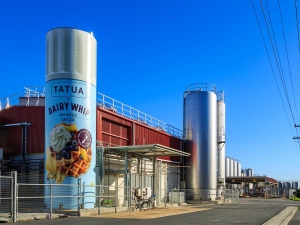
Waikato milk processor Tatua has again declared a record milk payout to farmer shareholders, leaving other processors in the dust.
A Labour-led Government won’t be bringing back the controversial freshwater rules of 2020.
National’s much-touted free trade deal with India featured in the Rural Issues Debate at Mystery Creek, Hamilton on Wednesday night.
New Zealand's 2026-27 freshwater fishing season has opened, with anglers encouraged to head to rivers and lakes over the coming days as conditions look favourable across much of the country.
Central Otago District Council (CODC) has voted against a plan to spread treated sewage sludge from Cromwell and Alexandra on farmland near Lauder, a decision Federated Farmers says reflects strong opposition from rural residents.
Pāmu has released its FY26 Integrated Annual Report, reporting a Net Operating Profit of $113 million, more than double the $49 million recorded in FY25.