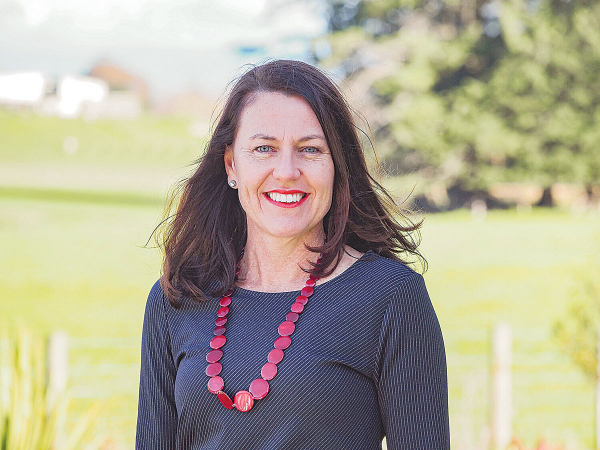
Outgoing Federated Farmers leader Karen Williams says an avalanche of state-sponsored regulations is de-motivating and discouraging many farmers.
She says "a one size fits all" policy regime won't work.
Williams, vice president of Federated Farmers for the past two years, is stepping down this week at the farmer lobby's annual meeting in Auckland.
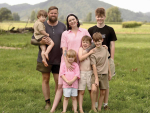
A former chairperson of the Feds' arable section, Williams and husband Michael farm 450ha in Gladstone in the Wairarapa region.
The farming operation specialises in mixed cropping over the spring/summer period, beef and lamb finishing through autumn/winter, and they are currently developing a durum wheat flour business for supply to high-end restaurants and artisan bakers.
Williams told Rural News that her decision to step down was based on many factors - the avalanche of regulatory change is just one of them.
"I have really enjoyed my time on the Federated Farmers board and being an advocate for farmers, growers, and rural communities," Williams says. "The highlight has been the amazing people you meet that are also committed to a prosperous and environmentally sustainable future for the ag sector.
"However, after four years on the board of Feds and, before that, four years intensely involved with the Wairarapa pea weevil incursion reponse, it is time to refill the tank before I embark on the next challenge in the ag sector."
For Williams, the future of farming is about operating a profitable business that also care for the environment, the welfare of our people, and the animals we farm.
But she cautions that while these are all highly desirable outcomes, we won't be effective in achieving them with a heavy-handed regulatory response and a "one-size-fits-all policy regime, with so many pieces of legislation changing at once; think resource management reform, climate change, Essential Freshwater, Three Waters, animal welfare, biodiversity, infrastructure, local government reform".
She warns that a "deluge of regulatory reform" will only serve to de-motivate and discourage the very people that need to be engaged, and it may also strangle innovation.
"Our farming people, our farms and our rural communities have different challenges and therefore require a nuanced response to deliver the right outcomes for themselves and their community."
Williams believes the development and support of bespoke farm plans and catchment community groups will be critical in delivering the right economic, social, and cultural, and environmental outcomes.
"This will be where the true gains will be made, not through expensive and litigious regulatory processes that frustrate people, divide communities, and often don't deliver the desired improved environmental outcomes."
Williams strongly believes farmers must play their part, and that includes being supportive of farming leaders who are at the coal face trying to navigate a pathway forward amongst global turmoil, a plethora of complex issues, and never-ending social media scrutiny.
"That doesn't mean you have to agree with your farming leaders, but it is important that your respect the tough roles they have".
She says the desired outcomes won't be achieved if farmers don't recognise that farming businesses must continue to evolve by producing food and fibre with a decreasing environmental footprint.