Full cabinet
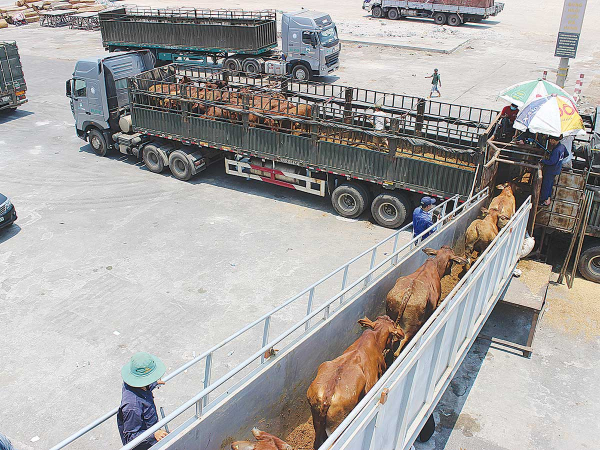
OPINION: Legislation being drafted to bring back the controversial trade of live animal exports by sea is getting stuck in the cogs of Cabinet.
Australia's largest live sheep exporter, Emanuel Exports, has had its licence reinstated after a three-year suspension.
The company's licence was cancelled following the deaths of 2,400 sheep aboard the Awassi Express in 2017.
The incident also led to a temporary ban on live sheep exports to the Middle East and prompted an ongoing ban on exports during the northern hemisphere.
The Department of Agriculture and Water gave the green light for exports to resume from December 3, it says the company had now "sufficiently rehabilitated itself so as to resume its status as a body corporate of integrity".
The department also says it had since strengthened regulations by implementing a ban on export shipping to the Middle East during the hottest part of the northern hemisphere summer.
It also required heat stress management plans for northern summer voyages, lowered stockig densities for sheep on livestock export vessels, and required automatic measurement and collection of on-deck temperature readings for voyages.
The Government is set to announce two new acts to replace the contentious Resource Management Act (RMA) with the Prime Minister hinting that consents required by farmers could reduce by 46%.
Prime Minister Christopher Luxon says withdrawing from the Paris Agreement on climate change would be “a really dumb move”.
The University of Waikato has broken ground on its new medical school building.
Undoubtedly the doyen of rural culture, always with a wry smile, our favourite ginger ninja, Te Radar, in conjunction with his wife Ruth Spencer, has recently released an enchanting, yet educational read centred around rural New Zealand in one hundred objects.
Farmers are being urged to keep on top of measures to control Cysticerus ovis - or sheep measles - following a spike in infection rates.
The avocado industry is facing an extremely challenging season with all parts of the supply chain, especially growers, being warned to prepare for any eventuality.