New Zealand Apple Industry Enjoys Second Strong Season In A Row
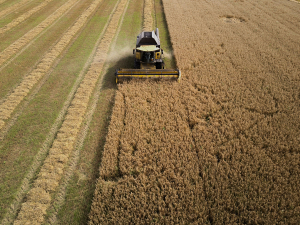
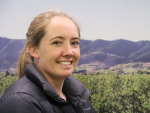
The chief executive of Apples and Pears New Zealand, Danielle Adsett, says fruit quality this year is phenomenal and the sector is hitting crop estimates, which is great for growers.
 increase font size
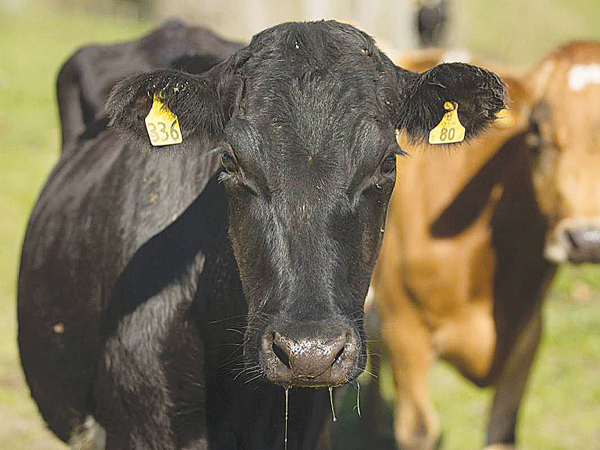 OSPRI are offering exemptions to pre-movement testing to those in the Hawke's Bay Movement Control Area impacted by the Cyclone Gabrielle.
In the aftermath of Cyclone Gabrielle, OSPRI says it is taking a pragmatic approach to TB testing in the Hawke’s Bay Movement Control Area (MCA).
OSPRI’s disease management general manager Danny Templeman, says safety for both people and animals is the primary concern.
“We know either due to the ongoing impact to feed levels, damage to on-farm infrastructure or general traditional animal movements like calf sales, animals need to move,” Templeman says.
“So, over the next few months, if the usual pre-movement testing cannot be completed, farmers in the Hawke’s Bay MCA have the option of requesting an exemption to pre-movement testing.”
Templeman says once an exemption is gained, the animals can then move legally under an official permit and OSPRI will schedule post-movement testing at the animal’s new location.
Permits can be requested by phoning 0800 482 463.
“Farmers are also requesting pre-movement testing, and we commend them for their commitment to disease management in this incredibly difficult time,” says Templeman. “We continue to provide solutions for farmers to do pre-movement testing, but safety is our first concern at this stage.”
Post-movement testing is the alternate option in cases where it is not safe or possible to do pre-movement testing.
OSPRI says it is continuing to advise farmers that if they are receiving animals requiring post-movement testing, the best biosecurity and business practice is to keep animals separate until testing is completed.
As part of the exemption process, OSPRI will notify the receiving farmer of the post-movement testing requirements.
"To be clear we are talking about herds that do not have cases of TB but are in a Movement Control Area,” Templeman says. “We are not talking about our case managed animals or infected herds. They continue to be managed on a case-by-case basis by our veterinarians and we work directly with those farmers."
OSPRI says it is also instigating temporary policy changes to the routine TB testing regime in cyclone-affected areas of Hawke’s Bay, Gisborne, Northland, and the Coromandel that are not in the MCA.
For farmers who are able and wanting to complete their routine testing, that can be completed assuming it is safe for both animals and people, and the property is accessible.
"Given the significant damage to properties and infrastructure OSPRI will not be requesting or enforcing any routine TB testing which is currently outstanding or becomes due within the next few months," says Templeman.
The chief executive of Apples and Pears New Zealand, Danielle Adsett, says fruit quality this year is phenomenal and the sector is hitting crop estimates, which is great for growers.
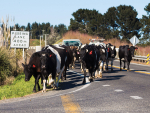
Moving Day (June 1) is just around the corner and farmers who are moving farms with the herd are being urged by Ospri to start preparations now.
Ospri is reducing TB testing frequencies and movement control measures as the disease risk subsidies in parts of the country.
Nearly three years on from Cyclone Gabrielle, Hawke's Bay apple orchardist Paul Paynter says they are still doing remedial work around their orchards and facing financial challenges.
New Zealand is closer to eradicating bovine TB than ever before, but possums remain a threat, says Beef + Lamb New Zealand.


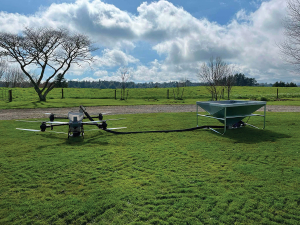
Agricultural drone operators say that a government decision to allow lower-risk drone work without certification won’t lower standards but drive innovation and efficiency.
Farmgate lamb prices are down by 8%, beef cattle by 4.5% and farm expenditure up by 4.2%.
Kiwifruit growers are watchful but remain optimistic as concerns around the potential effects of the El Niño weather pattern this season.
Almond hulls sourced from Australian orchards may have the potential to help New Zealand cows reduce emissions, boost milk yield and lower input costs.
Striking a balance between meeting the needs of industry to speed up approval time for products but on the other hand ensuring that risks are properly assessed.