OSPRI New Zealand says - following the resurgence of M. bovis in Mid Canterbury in late 2022, and concerns raised over poor NAIT record keeping and non-compliance - it is increasing its level of education and support to farmers in the region.
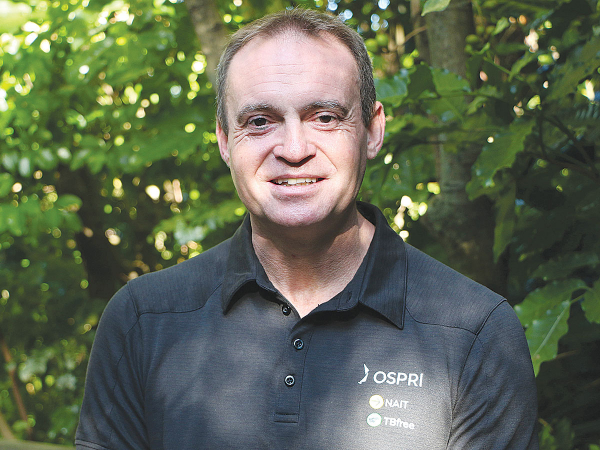
OSPRI's head of traceability, Kevin Forward says the organisation is committed to supporting farmers to understand their NAIT obligations and the importance of adopting good on-farm traceability practices as part of their overall biosecurity preparedness.
"The ability to manage a disease outbreak, contain it, and work towards its eradication relies on accurate traceabilit records," he explains. "Simply put, we all have a role to play when talking traceability and biosecurity, everyone must do their part for the system to work and for the industry to be protected."
He points out that poor NAIT record keeping can lead to delays in the response, increased spread of the disease and increased cost to farmers and the country.
Forward says OSPRI had launched a targeted support campaign to farmers in the Wakanui area.
It aims to help farmers get their NAIT accounts sorted and OSPRI is launching a NAIT education campaign in the greater Ashburton district.
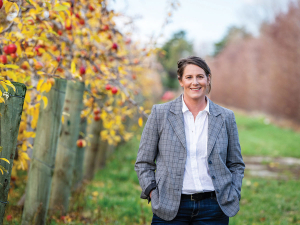
OSPRI's local regional partner, Fiona Caldwell will be running a series of NAIT workshops, drop-in centres, and webinars for farmers to help them understand their NAIT obligations and why traceability is important.
In addition to this, OSPRI and the Ministry for Primary Industries (MPI) will be piloting an early intervention programme for those farmers in the region who are identified as not meeting their NAIT obligations.
The purpos of the early intervention programme is to reach out to farmers to offer support and education, so they understand what their NAIT obligations are, as a person in charge of animals, and know where to get help.
"We're trying to support farmers so they can avoid getting to the point where they're receiving infringements or being prosecuted for non-compliance with NAIT," Forward says.
"Now is not the time to be getting complacent, we need to be thinking not only about the diseases that we are trying to eradicate currently, but also about what could potentially hit us next. We've spent over five years working to eradicate M. bovis from New Zealand, that's a lot of hard work that the industry and individual farmers have all put in. The same applies for bovine TB, except over a longer period."
For more information: https://www.ospri.co.nz/news/lets-protect-our-industry-mid-canterbury/