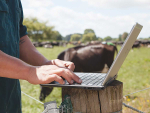
DairyBase and MINDA Link Up to Cut Farmer Paperwork
Farmers can spend less time on paperwork, thanks to a new data sharing agreement between DairyNZ’s DairyBase and LIC’s MINDA software.
 increase font size
 Izzy Willison, LIC
In the past, a bull could sit comfortably in a breeding team for several years with little change, but today, that’s no longer the case.
Bulls move in and out of teams more frequently than they used to, and that movement can sometimes raise questions about the strength of the overall team. In reality, movement reflects the faster pace of genetic progress and more precise selection tools shaping today’s herds.
The speed of
genetic gain
The rate of genetic progress in the New Zealand dairy sector has accelerated significantly over the past decade. Tools such as genomic testing, improved data collection, and more sophisticated evaluation systems mean we can identify an animal’s genetic merit earlier and with greater accuracy than ever before.
Through LIC’s GeneMark Genomics service, more than two million animals have been genotyped. This enables farmers to make more informed breeding decisions by identifying superior genetics in their herd at a younger age. While some breeding values go up and some go down, the outcome is a more accurate prediction of an animal’s genetic potential.
More data means
more clarity
New Zealand has one of the most comprehensive dairy genomic databases in the world. Milk production, fertility, health and conformation traits, longevity, calving difficulty, and efficiency data flow in from herds nationwide every season, and when combined with genomic information, this creates an incredibly powerful picture of an animal’s true breeding worth.
With multiple genetic evaluations released each year, new data continually feeds into the New Zealand Animal Evaluation (NZAEL) model. This ongoing stream of information provides sharper insight into how bulls rank relative to their peers, and in a rapidly advancing genetic landscape, even a very good bull can quickly be surpassed by an even better one.
As more phenotypic and genomic data flow into NZAEL, rankings continue to shift, emphasising the importance of using a team of genomic bulls rather than relying on the traits of a single animal.
Equally important is the size and quality of the candidate pool. Genomic testing has greatly expanded the number of young bulls that can be accurately assessed each year, increasing competition among top sires for a place in the team. Twenty years ago, selection decisions were made with less information and a smaller pool of candidates. Now, the intensity of selection has increased, which means bull teams are more refined to reflect the very best genetics available.
Protecting farmer progress
More frequent movement within bull teams reflects the industry’s focus on maximising herd improvement, shortening generation intervals, and accelerating efficiency gains.
If we left bulls in teams because they were ‘good enough’, genetic progress would slow, so by actively reviewing and updating teams as new data emerges, we ensure farmers are always accessing the strongest possible lineup.
Faster bull team turnover also reflects a high-performing, data driven breeding programme. It signals that genetic gain is accelerating, selection pressure is strong, the benchmark for excellence keeps rising, and farmers are receiving the best available genetics each season.
The New Zealand dairy sector operates in a competitive global market where efficiency, sustainability, and productivity matters more than ever. Rapid genetic advancement is one of the most powerful tools farmers have to meet those challenges.
When bulls move out of a team today, it’s rarely because they weren’t good or the team is underperforming. More often, it’s because something even better has emerged, backed by stronger data, higher reliability, and greater confidence for Kiwi dairy farmers.
• Izzy Willison is Head of Genetics, LIC
Farmers can spend less time on paperwork, thanks to a new data sharing agreement between DairyNZ’s DairyBase and LIC’s MINDA software.

New Zealand's pest problem has reached crisis point, according to Federated Farmers' second National Pests Survey, which shows farmers are spending more money and effort on control — yet pest numbers keep climbing faster than they were two years ago.
State farmer Pamu has delivered its strongest operating result on record.
It's easy to look over a lush spring paddock and assume cows are getting enough usable nutrition. But while fast-growing pasture can give plenty of volume, in high moisture, variable dry matter and uneven mineral profile can leave real nutrition gaps when cows need it most.
For Taupiri dairy farmers Logan and Sian Dawson, their involvement in the NZ Dairy Industry Awards has been a key catalyst in the growth of their business - the experience helping shape how they approach the farm ownership pathway they are pursuing today.
The Government is introducing a new nationwide rural recycling scheme that will significantly increase the recovery of farm plastics from March next year, Minister for the Environment Nicola Grigg announced today.
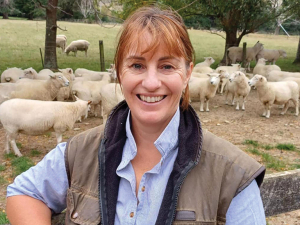
B+LNZ's Wormwise veterinarian Mary Bowron has won the Best Sheep and Beef Vet of the Year Award in recognition of her outstanding contribution to New Zealand’s sheep and beef sector.
Researchers at Massey University are using a special piece of scientific equipment to improve the measurement of greenhouse gas emissions from pasture soils.
More signs of a booming kiwifruit sector.
OPINION: David Seymour and James Meager's plan to make it easier for farmers and orchardists to operate drones can best be described a 'courageous' move.
New Zealand wool is reaching new heights as air filtration companies move away from synthetic products to biodegradable alternatives.