Farmers with experience and breeding knowledge are deeply concerned about the pressure to breed for low methane sheep traits and its effects on other important traits they have been pursuing over the last 100 years.
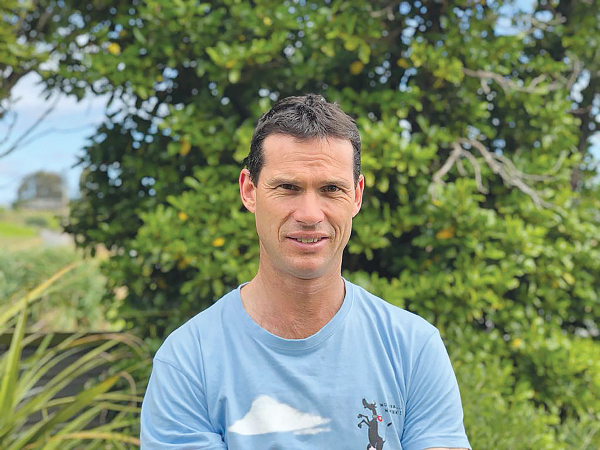
South Otago sheep and beef farmer Hamish Bielski says farmers choose their flock replacements based on a range of well-researched traits that include health, reproduction, survivability, lamb growth, meat, wool, and body condition.
This has led to farmers producing food for the world more efficiently, with less antibiotics, and with the world's lowest greenhouse gases per kilogram, he adds.
Now the search is on for sheep that are even lower methane emitting.
This sounds great until one realises that choosing one trait over others negatively impacts those other traits, notes Bielski.
AgResearch predicts that choosing this trait could cost 10 to 15% per year sacrifice in growth, reproduction, survival and adult weights. Physical changes to sheep could also mean we end up with an inferior ewe flock struggling to convert poorer quality pasture to high quality food, earning less critically needed overseas income for the country, and a reduction in farming profitability.
Bielski investigated the new low methane trait on the nProve ram selection database and applied their current selection criteria for purchasing commercial rams.
"Our criteria is simple; the production and health traits are to be in the top 50% across flock and breed for the industry except for adult weight, wool and facial eczema (not an issue in our area)," he tells Rural News.
"From a 1000 potential rams in a flock recording for methane, these criteria narrowed selection to 13 rams who proved to be balanced animals that I would be happy to breed from. Of these 13 rams, only 3 were considered low methane emitting. If this is statistically applied to a real farm situation, the theorised reduction in emissions would be nowhere near the stated target, without even looking at structural traits.
"We are just not prepared to select for a low methane trait."
Bielski also notes that with genetic selection for methane at present, there is danger in any selection based on theory, numbers, and assumptions rather than true accuracy at farm level.
"A recent and excellent example of this situation is the plantation panacea. Millions of dollars were invested in order that nitrate losses could be minimised and so the marketing begins until its actual application on farm. Cows simply don't eat it.
"The Lincoln University Dairy Farm is back to re-thinking the expected benefits from plantain. As the LUDF quoted 'we didn't want to reduce efficiency and profitability if planting plantain actually meant that less food was produced and harvested'."
Bielski says this is a classic case of politicians, academics, and commercial companies so eager for an outcome that farmers are left in the "dust of desperation" either footing the bill or wondering why no one bothered to consult them before going down a rabbit hole.
"We don't want the same situation where methane forces significant productive and economic trade-off's in already complex selection criteria.
"Breeding for low methane sheep genetics differs from the plantain debacle though because of risk. Once you have infused low emitting genetics through your flock, the recovery of the productive gene pool driving our flocks will take a lot more than a month or two and one pass with a drill to claw back.
"Most concerning, though, is the opportunity cost to our sheep and beef farms from this 'gravy train' of money, time and effort spent reducing methane emissions through genetics. Imagine if the equivalent money and time was spent on research/education and adding emphasis to breeding for animal health and performance under worm challenge or facial eczema.
"What we need from our representatives across science, industry bodies, government and farmers is critical thinking, not group think.
"Who in their right mind wants to compromise progress on productive traits in our sheep flock chasing an invisible and harmless gas? As a lead AgResearch scientist says, 'the industry is currently only achieving around 50% of potential for production traits. Chuck shedding sheep into the equation, and that could be lower'."
He says there is far more to be gained from taking that opportunity to up the productive efficiency and productivity in our sheep flocks than breeding for low methane animals.
"Our sheep data system nProve is a world class programme and full credit to Beef & Lamb NZ for developing it, let's use it wisely.
"We could also change the narrative from emissions to ecosystems and energy. NZ sheep and beef farmers' excel in this area, because methane from livestock is derived from solar energy, not oil. Let's not chase rainbows but focus on proven genetic gains and efficiency, delivering to our customer, a taste of pure nature."