Improving lamb survival rates is a key focus for New Zealand farmers, especially this time of year.
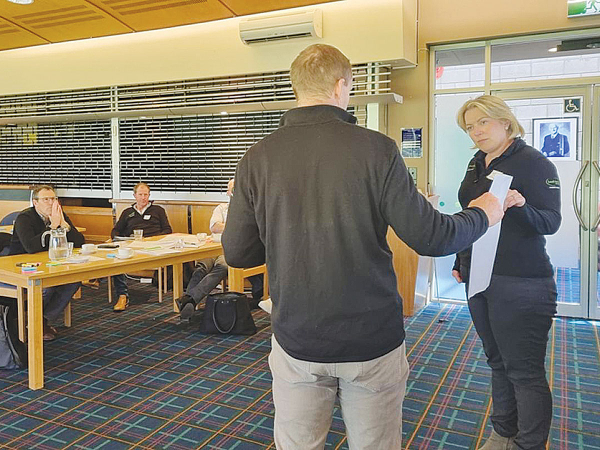
To address this, Beef + Lamb New Zealand (B+LNZ) recently held a workshop led by Dr Mhairi Sutherland, senior scientist for animal health and welfare research.
This co-design workshop, facilitated by Ange McFetridge, brought together farmers (over a third of the attendees), B+LNZ experts, researchers and veterinarians to examine the main risk factors contributing to lamb losses.
The goal was to identify where extension activities and research opportunities could be leveraged to provide farmers with practical tools to improve lamb survival and boost profitability.
Lamb mortality is complex, with most losses occurring in the first few days of life. Key factors include starvation, exposure, poor ewe body condition and management practices, alongside genetics, nutrition and dystocia (difficult births). These issues were explored in detail, leading to productive discussions on where research and extension efforts could deliver the greatest impact for farmers.
“Farmers care deeply for their animals and want to see them thrive,” says Sutherland.
“Improving lamb survival not only enhances animal welfare but also boosts farm profitability by providing more lambs to sell.”
Read More
One attendee was Steve Nichol, a member of the B+LNZ Farmer Research Advisory Group (FRAG) and farming 4500 ewes in Otago.
He found the workshop very valuable saying “the workshop was a great opportunity to interact with passionate industry experts. It will help us refine extension services to better meet the needs of today’s farmers and explore new opportunities”.
Sally Newell, a farmer, vet, and FRAG member echoed this sentiment: “Bringing together forward- thinking farmers, researchers and rural professionals led to robust discussions.
We came up with plenty of ideas for B+LNZ to focus on, both in research and extension, to improve lamb survival across New Zealand.”
By understanding the challenges and opportunities, farmers can take targeted actions such as improving ewe nutrition, refining lambing management, and focusing on genetic selection to reduce losses.
“Optimising these areas will help farmers allocate resources more efficiently and improve overall farm performance,” adds Sutherland.
As lamb survival remains a priority, B+LNZ’s focus on addressing these challenges will help deliver practical, farm-ready solutions. Insights from this workshop will inform future research and extension programmes, empowering farmers to reduce lamb mortality and enhance farm performance.
Article supplied by Beef + Lamb NZ