Quality issues have impact on bottom line for T&G
Quality issues impacting the 2022 apple crop, rising costs and Covid-19 pushed fresh produce exported T&G Global into a financial loss last year.
 increase font size
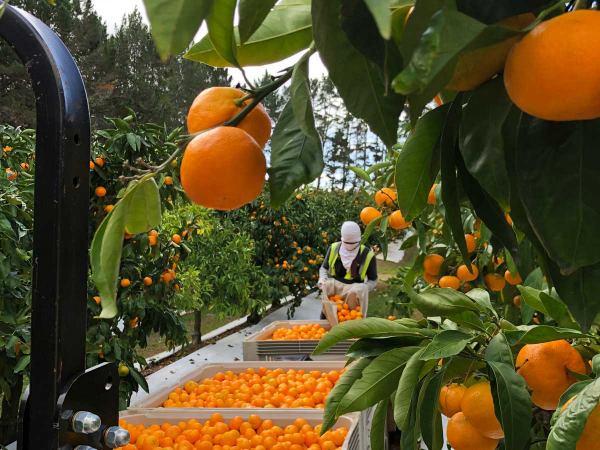 T&G Fresh says it has started harvesting the first of this season's satsuma mandarins.
New Zealand's largest citrus grower, T&G Fresh, says it is underway with harvesting the first of this season's satsuma mandarins.
The company reports that great weather conditions have brought an earlier harvest than usual for the fruit. T&G Fresh began harvesting the fruit in early April and expects between 12-14 million mandarins to be sold in New Zealand retail outlets throughout the season.
Regional manager in Northland, Tom Chamberlain, says thanks to the long, sunny days over the past few months and some rainfall in early January, the fruit has reached a great size and sweet taste earlier than expected.
"Sun is extremely important for the satsuma trees, as they need between 8-10 hours of sunlight a day to thrive," he says. "We were lucky to have a great summer and some rain, which has resulted in a deliciously juicy and sweet tasting fruit this season."
Chamberlain says satsuma mandarins have grown in popularity over the past five years and are now the largest volume citrus crop grown in NZ.
"Last year T&G Fresh had very strong sales across our mandarings, navel oranges and lemons as consumers gravitated towards citrus products as a natural way to boost their health levels."
Quality issues impacting the 2022 apple crop, rising costs and Covid-19 pushed fresh produce exported T&G Global into a financial loss last year.
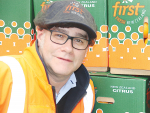
Citrus is big in Gisborne, but surprisingly there are only a few large scale commercial growers. Instead, as Peter Burke reports, the small to medium growers are the big suppliers and their helping hand comes in the form of a company called Fresh First.
T&G Global says it has signed the New Zealand horticulture sector’s first sustainability-linked loan, borrowing $180 million.
A new partnership offering students a hands-on learning experience and pathway into employment in the horticulture industry has been announced by T&G Global and Lincoln University.
Despite struggling to find workers, fresh produce grower and trader T&G is still forging ahead with growth plans.

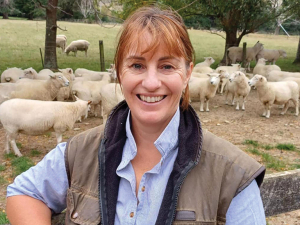
B+LNZ's Wormwise veterinarian Mary Bowron has won the Best Sheep and Beef Vet of the Year Award in recognition of her outstanding contribution to New Zealand’s sheep and beef sector.
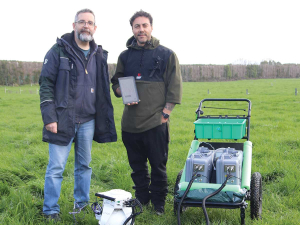
Researchers at Massey University are using a special piece of scientific equipment to improve the measurement of greenhouse gas emissions from pasture soils.
More signs of a booming kiwifruit sector.
OPINION: David Seymour and James Meager's plan to make it easier for farmers and orchardists to operate drones can best be described a 'courageous' move.
New Zealand wool is reaching new heights as air filtration companies move away from synthetic products to biodegradable alternatives.
Opuha Dam's ability to protect South Canterbury communities from major flooding has taken a significant step forward, with Opuha Water Limited (OWL) successfully commissioning a new outlet valve capable of releasing record volumes of water from the dam ahead of a weather event.