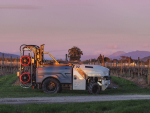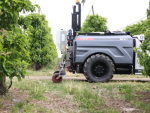
AHAP Progress Report Shows NZ Horticulture Building Real Momentum
According to a progress report on the Aotearoa Horticulture Action Plan (AHAP), New Zealand's horticulture sector is making real progress on the big issues facing growers.
 increase font size
 Agriculture Minister Damien O’Connor claims the investment will enable landowners to get on-theground support to identify the best crops to grow in their district.
The Government is sinking nearly $1 million into a major horticulture project in Northland to enhance Māori-owned land in the province.
Agriculture and Rural Communities Minister Damien O’Connor claims the $975,000 will help members of the Tupuānuku Collective explore the potential of their land and to create jobs.
The collective is made up of representatives from 13 whānau, hapū and iwi landowners – covering more than 35,000 hectares from the Far North down to the Kaipara district. It was funded by MPI’s Māori Agribusiness extension programme.
O’Connor says Northland’s potential to grow food is substantial and this investment will enable landowners to get on-the-ground support to identify the best crops to grow in their district and to assess the availability of water for irrigation.
“Accessing water and building the necessary infrastructure, such as dams, will play a vital role in lifting the productivity of this whenua, especially as our climate changes. A key part of the two-year project will be to deliver a workforce capability development strategy to support the creation of new jobs,” he says.
O’Connor says contractors will investigate water accessibility and storage, map soil types and support the collective’s members to lodge consents and get investment ready. He adds that the Ministry of Social Development (MSD) is also supporting the project by helping to determine workforce requirements and training needed to provide yearround employment.
In 2020, horticulture was worth $386 million to the Northland region, with kiwifruit and avocados the largest revenue and export earners. In total, NZ earns $6.7 billion annually from horticulture.
O’Connor says since 2019, MPI’s Māori Agribusiness team has partnered with Māori clusters across the country, helping Māori landowners access support and expertise. He claims this has resulted in more than 30 approved whenua/land development proposals.
Extra regionally-based advisers and facilitators will also be hired to support the expansion of Māori agribusiness services into new regions across the country.
According to a progress report on the Aotearoa Horticulture Action Plan (AHAP), New Zealand's horticulture sector is making real progress on the big issues facing growers.
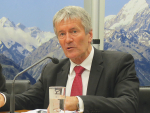
A miserable budget that didn’t deliver much for anyone.
National's decision to ‘dribble’ information about the NZ/India to Labour contributed to the delay in it deciding to supported the FTA.
When it comes to international trade, politicians from all sides of the aisle are united, says Labour's trade spokesman Damien O'Connor.
Federated Farmers have reiterated their support for the coalition Government to abolish the present ban on the live export of animals.



Now in its fourth year, the 2026 Fencing Industry Awards, formed part of the proceedings of the FCANZ Conference, held in Nelson during August.
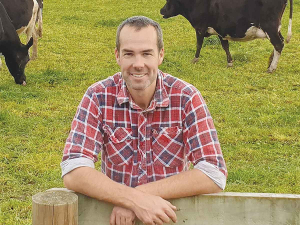
DairyNZ deputy chair Cameron Henderson has been re-appointed unopposed for another term.
OPINION: The stats speak for themselves.
Farms across the upper North Island are trialling different pasture mixes as part of a research programme that aims to build greater resilience into farming systems.
Election years are always a concerning time for farmers, according to DairyNZ chair Tracy Brown.
The Ballance Farm Environment Awards are coming to the West Coast of the South Island.