Zero Tariff Squeezes NZ Citrus Growers, Forum Hears
New Zealand's citrus growers have been told to compete on the value built into their fruit rather than the volume they grow.
 increase font size
 HortNZ chief executive Kate Scott.
Horticulture New Zealand (HortNZ) has added its perspective to numerous primary sector voices urging the Government to strengthen its draft legislation to replace the Resource Management Act (RMA).
The organisation, which represents growers across the horticulture sector, warns that without key changes to the Natural Environment Bill and Planning Bill, the new resource management system could make it harder for growers to produce fruit and vegetables.
Kate Scott, chief executive of HortNZ, says reform of the RMA is overdue, adding that the sector backs the Government's aim to create a simpler, faster and less expensive system.
However, Scott says the current draft legislation does not match that promise.
"Along with the rest of the primary sector, we are working hard to ensure the new system genuinely delivers fewer consents, lower compliance costs, and better conditions for food production and rural development," she says.
"What's at stake is the ability of New Zealand growers to continue producing nutritious fruit and vegetables for New Zealanders and our global markets, while also supporting tens of thousands of regional jobs and maintaining the country's strong export earnings."
"Horticulture is a sector New Zealand depends on every day - for food on tables, for employment and for economy growth," Scott says. "The new system has to enable that, not make it harder."
HortNZ has major concerns about proposals within the Natural Environment Bill which the organisation says could introduce what amounts to a tax or auction system for natural resources like water.
"The Bill includes options for market-based allocation or levies. In practice, market-based allocation could mean auctions or tenders where water, or the ability to discharge nutrients, goes to the highest bidder," Scott says.
She says a levy would effectively be a tax on water or on farming activity.
"That is not the right approach for food production."
 |
|---|
|
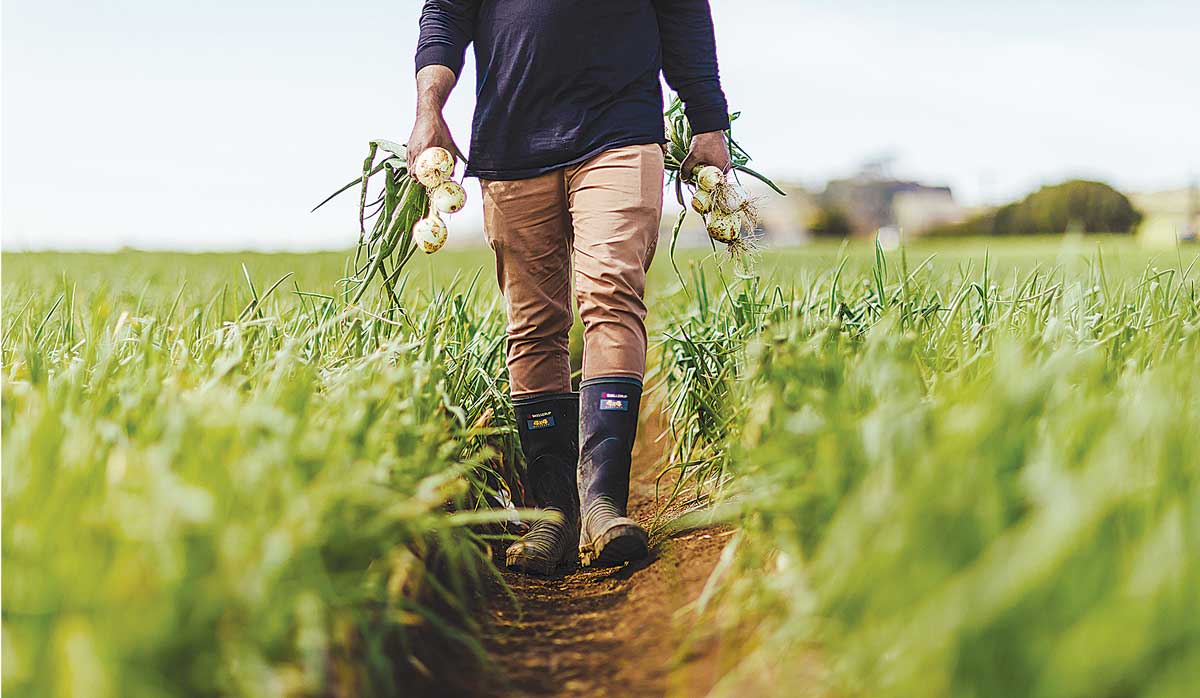
Horticulture New Zealand says the Natural Environment Planning Bill could ntroduce what amounts to a tax or auction system for natural resources like water. |
HortNZ is also concerned by how the Bill could potentially treat growers operating in overallocated catchments, areas where freshwater quality is worse than the target states.
“HortNZ supports strong environmental limits. However, the draft Bill would not allow permitted activities in any overallocated catchments, which is more restrictive than the RMA, requiring consenting for many horticultural activities that are currently permitted because they have a low environmental impact.
“We need a sensible pathway that allows food production to continue while still driving ongoing environmental improvement.”
HortNZ is particularly concerned about how the two Bills expect spatial planning, environmental limits and resource allocation to interact.
“The legislation currently has spatial planning happening first, before limits are set or resources like water are allocated.
“In our view, it doesn’t make sense to zone land as highly productive or set it aside for food production without also ensuring growers can access the water and discharge pathways needed to actually grow on that land.
“We’ve asked for limits to be set before or alongside spatial planning, and for allocation decisions to properly enable the productive use of highly productive land.”
New Zealand's citrus growers have been told to compete on the value built into their fruit rather than the volume they grow.

Federated Farmers says new legislation replacing the Resource Management Act will cut red tape, unlock investment and help grow New Zealand's export-led economy, after the Planning Bill and Natural Environment Bill passed their third reading in Parliament yesterday.
Beef + Lamb New Zealand (B+LNZ) says it welcomes the passage of the Natural Environment Bill and Planning Bill, calling the bills a positive step for sheep and beef farmers.
OPINION: Groundswell's opinion of the incumbent farm industry representatives isn't high.
There's been widespread support from the primary sector for the Government's announcement on changes to freshwater farm plans that come under the Natural Environment Bill, which is now set to replace the existing RMA.


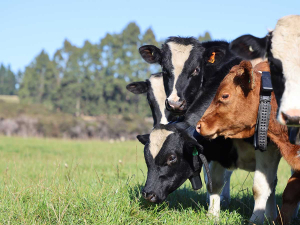
High country stations, mixed sheep and beef farms, Māori-owned farms, corporates and family operations are among the nine commercial farms taking part in the Livestock Innovation Farming Transformation programme, known as LIFT.
OPINION: New health and safety guidance unveiled by the Government recently provides farmers greater certainty about what is expected of them when managing risks on farm.
The National Animal Welfare Advisory Committee (NAWAC) is seeking public feedback on proposed changes to the Code of Welfare for Rodeos.
A New Zealand initiative supporting farmers to restore the health of grazing landscapes has received international backing through the Regenerative Fund for Nature, a global collaborative fund supporting regenerative agriculture and the communities that produce natural fibres for the fashion industry.
Combine premium New Zealand products, blend in a family ritual and what do you get? A world-class functional drink.
Entries are now open across eleven regions for the 2027 New Zealand Dairy Industry Awards (NZDIA).