Record Kiwifruit Harvest Brings Optimism, but Green Growers Face Profitability Challenges
Signs for the 2026-27 kiwifruit crop look good, but there are still some challenges for growers – especially those who produce green kiwifruit.
 increase font size
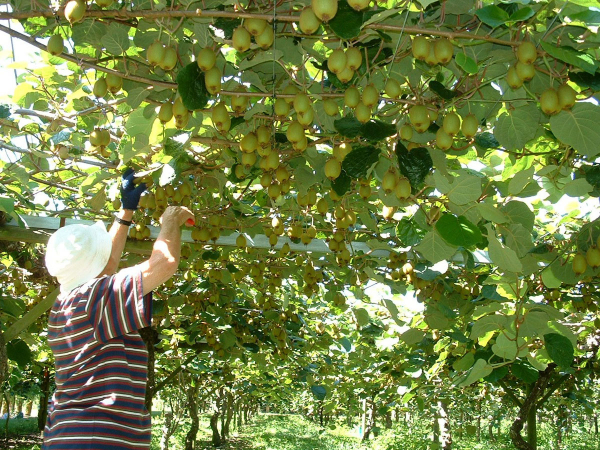 A former kiwifruit labour contractor and its owner have been fined $276,000 for exploiting migrant workers.
A former Bay of Plenty kiwifruit labour contractor and its former owner have been ordered to pay $276,000 by the Employment Relations Authority (ERA) for exploiting six migrant workers.
Raj Kiwi has been fined $160,000 and its former shareholder and director Rajasekar Chellappa was individually fined a further $70,000 for 49 employment minimum standards breaches.
A subsidiary belonging to Chellappa, Raj Infotech, was ordered to pay nearly $30,000 by the ERA in 2019 in wage arrears and penalties, after non-compliantly ending a migrant IT consultant’s job before offering them a job picking kiwifruit.
The violations included breaches of minimum wage, holiday pay, not keeping records, and absent employment agreements.
Raj Kiwi was also ordered to pay wage arrears to the workers, totally more than $26,000.
“This offending was blatant, and the Authority’s high penalties show it recognises the employer was at the worst end of migrant exploitation,” said Labour Inspectorate horticulture sector lead Kevin Finnegan.
“But it could have been worse,” he said.
He says that the Inspectorate encourages anyone who believes their employment rights are in breach to come forward.
He says that Zespri was also quick to respond after receiving complaints.
After discussions with the Inspectorate, Zespri immediately suspended Raj Kiwi’s contractor certification.
“It is actions like this from Zespri that automatically shows the sector and its supply chains that employers like Raj Kiwi are a red flag to anyone doing business with them, or buying their services,” Finnegan said.
Signs for the 2026-27 kiwifruit crop look good, but there are still some challenges for growers – especially those who produce green kiwifruit.
Westpac NZ has become the first New Zealand bank to receive approval from the Reserve Bank of New Zealand (RBNZ) to secure and leverage kiwifruit growers' Zespri shares.
New Zealand's kiwifruit industry has welcomed Government co-investment in a new five-year programme designed to help growers produce higher yields of premium fruit, with less water, fewer nutrients and reduced environmental impact.
Zespri's sales of kiwifruit for the 2025 season have broken all past records.
Zespri says its global fruit sales revenue has reached a record NZ$5.9 billion from sales of 248.1 million trays.



Tayla Steele is in her fourth year of a Bachelor of Veterinary Science at Massey University in Palmerston North.

The Ministry for Primary Industries (MPI) says no new cases of H5 bird flu have been detected following a case found earlier this week.
Two months after unveiling a major upgrade to its beef product, Halter says its farmers are on track for major production gains and additional grass growth.
New Zealanders are being urged to be alert following a confirmed positive case of H5 bird flu this week.
With a third of NZ dairy farmers still running outdated refrigerants, the country's largest farm refrigeration company says the opportunity for quick, meaningful emissions gains has never been clearer.
OPINION: Farmers are being put on notice by the Green Party.