M.I.A.
OPINION: The previous government spent too much during the Covid-19 pandemic, despite warnings from officials, according to a briefing released by the Treasury.
 increase font size
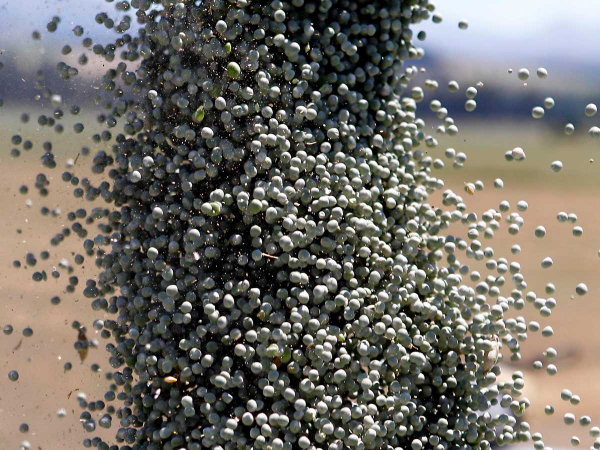
Produce company Wattie’s says it completed its 24/7 pea and bean harvesting and processing season in Canterbury last Friday (April 17).
The company says the harvest was carried out under conditions not previously experienced in its 50-year history of operating at its Hornby factory, due to the restrictions imposed by COVID-19 protocols.
Wattie’s field and factory staff, based in Christchurch had to adapt quickly to the strict protocols developed in response to the Ministry of Primary Industry’s requirements.
Site manager for Wattie’s in Hornby, Graham Broom said everyone understood the reasons for the changes in our operations, but the new work practices added significantly to people’s workloads during an already busy time, particularly in the factory.
“During harvest we also had to adapt to new ways of communicating with farmers and working in the field to ensure social distancing and traceability of contact was adhered to,” Broom explained.
“We are immensely proud of the way in which our teams worked to finds ways of working to meet the requirements of MPI in order to mitigate the identified COVID risks, without dropping production.”
He added that the challenges extended beyond the fields and processing operations to the reduced availability and movement of containers for delivering processed and finished product to customers.
“Throughout all this, the level of collaboration among our teams and with business partners has been phenomenal. The way product has continued to move through the supply chain, from field to customers, is a credit to everyone involved.”
With the major pea, bean and baby carrot harvesting and processing activities behind it, the factory is moving back to a five-day week with the potato and carrot harvests still to go.
However, as one season runs its course, planting for the next is about to start – with Wattie’s planting broad bean seeds on April 26.
OPINION: The previous government spent too much during the Covid-19 pandemic, despite warnings from officials, according to a briefing released by the Treasury.
OPINION: Labour leader Chris 'Chippy' Hipkins is carrying on the world-class gaslighting of the nation that he and his cohorts started after their disastrous Covid response; now trying to undermine the Covid inquiry to protect his own backside.
OPINION: Did former PM Jacinda Ardern get fawning reviews for her book?
OPINION: Welcome to the second annual NZ Dairy Expo at Matamata – an event created to bring together the best of the New Zealand dairy industry in a focused, grassroots environment where dairy farmers and rural professionals can meet, talk, compare products, and make smart decisions for their farms.
It's a bloody tough year for sheep farmers, but the worst may be over, and the future looks optimistic.


A warning for New Zealand seed and grain companies – be prepared for an exodus of farmers from the arable sector.

Now in its fourth year, the 2026 Fencing Industry Awards, formed part of the proceedings of the FCANZ Conference, held in Nelson during August.
DairyNZ deputy chair Cameron Henderson has been re-appointed unopposed for another term.
OPINION: The stats speak for themselves.
Farms across the upper North Island are trialling different pasture mixes as part of a research programme that aims to build greater resilience into farming systems.
Election years are always a concerning time for farmers, according to DairyNZ chair Tracy Brown.