Nothing for our most productive sector in Budget — National
Budget 2020 hasn’t provided anything of note for the primary sector at a time when it is leading our nation’s rebuild, National’s Agriculture spokesperson Todd Muller says.
 increase font size

Now that the circus surrounding the Budget’s release has subsided, Milking It makes the following observations about some of its contents.
Like other commentators, we can’t help but notice many of the spending allocations are not accompanied by policy outcome targets. No doubt burned by the Kiwibuild fiasco (‘10,000 houses a year’), the government now seems wary of setting specific targets. This will not help it spend billions wisely. Much moola could end up in the wind.
We also note some contradictions: nearly $2 billion for mental health is laudable, but is diametrically opposed to the likely effects of legalising dope. And $8.5 million is earmarked for research into reducing agricultural emissions. This is, at best, a token amount, given the scale of the challenge of meeting the punishing emissions targets suggested by the government. If James Shaw was serious about helping farmers reduce emissions in any way other than wholesale destocking, a bit more coin would have been in order.
Budget 2020 hasn’t provided anything of note for the primary sector at a time when it is leading our nation’s rebuild, National’s Agriculture spokesperson Todd Muller says.

Budget 2020 makes major investments in the primary sector that will support more than 10,000 people into jobs, claims Agriculture Minister Damien O’Connor.
There are a number of small pockets of money allocated to specific rural initiatives in the budget announced by Finance Minister Grant Robertson on Thursday.
Agricultural Minister Damien O’Connor claims at least 2000 farmers will be helped with on-the-ground support to lift their environmental sustainability as part of Budget 2019 funding.
Environment Minister David Parker recently told a Forest & Bird meeting about the Productive and Sustainable Land Use package unveiled in the Budget. Here are excerpts from his speech.


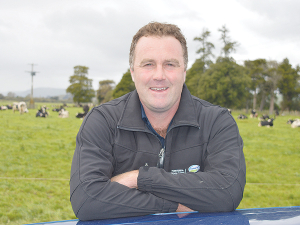
Outgoing Fonterra Co-operative Council chair John Stevenson says that it has been a privilege to represent the co-op's farmer shareholders.
New Plymouth-based Manuka honey exporter Egmont Honey has completed its acquisition of Taihape beekeeping business Tweeddale's Honey, with settlement finalised on Friday, 18 September.
Westpac NZ is calling on farmers and growers to start preparing now for the possibility of a dry summer, as likely El Niño conditions raise the risk of drought across parts of the country.
Fonterra Co-operative Group has confirmed the independently assessed candidates standing for election to its board in 2026.
Fonterra has revised its Farmgate Milk Price forecast for the 2026/27 season, lifting the midpoint and narrowing the range on the back of improving global dairy commodity prices.